



The Avalanche blockchain, known for its fast transactions and eco-friendly approach, has recently become the stage for a unique phenomenon dubbed "ShameFi" or "RegretFi." This trend, sparked by the introduction of tokens like $KET, $WINK, and $WAIFU, is reshaping how crypto communities engage with presale tokens and manage their investments.
What is ShameFi/RegretFi?
ShameFi, or RegretFi, is a novel concept where the focus isn't solely on financial gains but also on community behavior and accountability. Here's how it works:
Presale Participation: When new tokens like $KET, $WINK, or $WAIFU are introduced, they often come with a presale phase where early adopters can buy at a lower price before public listing.
Public Shaming: If someone who bought into the presale decides to sell immediately after the public launch or during a dip to make a quick profit, they end up on a public "shame list." This list is shared within the community, highlighting those who didn't support the project's long-term vision.
Community Engagement: The core idea is to foster a community where members are encouraged to hold onto their investments, support the project's growth, and engage actively with the ecosystem rather than seeking short-term gains.

Tokens at the Heart of ShameFi/RegretFi
$KET: The first memecoin that introduced shamefi through
https://www.ketboard.xyz/
and brought a new wave of traders to Avalanche.
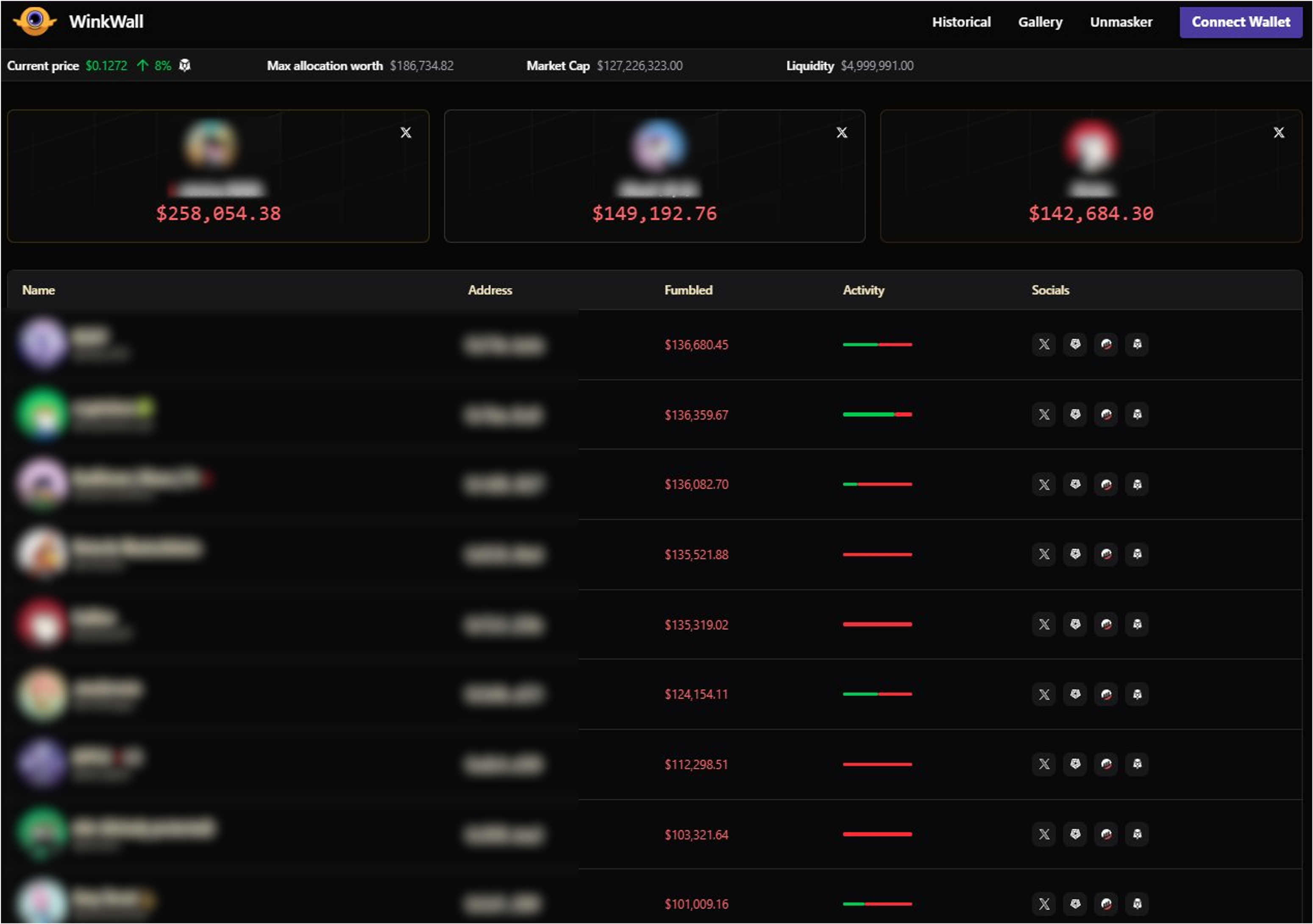
$WINK: WINK was one of the most hype token launches in crypto in the past few weeks. The team hosted a pre-launch stream on X that had over 100,000 unique views and the token had over $30M in trading volume in its first 24 hours. WINKs shamefi board can be found:
https://www.winkwall.xyz/
$WAIFU: Focused on building a community around anime culture, WAIFU launched alongside the NFT project Koneko, where NFT stakers got token rewards. WAIFU added a bonus feature in their shame board by showing total time held https://www.weebsite.xyz/attentionfi by individuals that got presale.

Benefits to the Avalanche Ecosystem
Increased Loyalty: By creating a culture of accountability, projects see more committed participants who are less likely to dump tokens, leading to more stable token prices.
Community Strength: ShameFi promotes a sense of belonging and shared goals, which can lead to a stronger, more engaged community.
Reduced Sell Pressure: The social pressure of ShameFi can deter malicious actors from taking quick profit at the expense of the community, potentially reducing larger sell-offs right away.
Incentivized Long-Term Holding: Projects can design rewards or benefits for those who hold onto their tokens, enhancing the ecosystem's stability and growth over time. For example, $KET holders were airdropped orbs, which are currently valued at 320 AVAX and $WINK applicants were airdropped card packs.
Conclusion
ShameFi/RegretFi is more than a trend; it's a cultural shift within the Avalanche ecosystem that promotes community involvement and discourages short-term profiteering. With this new meta, there has been a splurge of users from all over crypto coming to learn how to trade on Avalanche. While not without its controversies, it has the potential to create a more sustainable and supportive environment for new and existing projects.