



If you’ve been around crypto for a while, you’ve probably seen presales that use the same basic template: send funds, refresh the feed, wait for launch, and hope the number goes up. But Bears and Salmon broke this pattern. Even launching during a quieter stretch in the market, it managed to pull real attention, spark debate, and keep people talking on X through an intentionally designed experience that encouraged participation and discussion.
The presale was compelling because multiple elements combined to create mystery, deliberate pacing, game theory, teamwork, trust, and character-driven lore. And all this was wrapped in a distinctly Avalanche-native style. So, let’s take a closer look at each element of the Bears and Salmon presale.
This article isn’t an endorsement of the project or its token, but an exploration of why the presale format itself resonated so strongly.
The Compelling Components
Mystery, by design
The presale had enough structure to feel real, but enough unknowns to fuel speculation. The Avax community spent the better part of a week debating whether the bears would eat the salmon or the salmon would outsmart the bears, even before the actual presale mechanics were known.
That sense of uncertainty became the hook. When people don’t immediately know exactly what is happening, they start telling stories, testing theories, and recruiting others to double-check their assumptions. In other words, the community builds the narrative for you.
Brand-building that didn’t feel rushed
Some projects try to speedrun their identity. A logo today, a roadmap tomorrow, and “community” by Friday.
Bears and Salmon took the opposite route, taking time to carefully create consistent tone, characters, and references, plus a steady drip of context. Even the X bio set the tone and anchored it to Avalanche culture. This pacing built trust and steered participants away from “trust me, bro” vibes.
Teamwork
This is where it crossed from a “mechanic” into a “moment.”
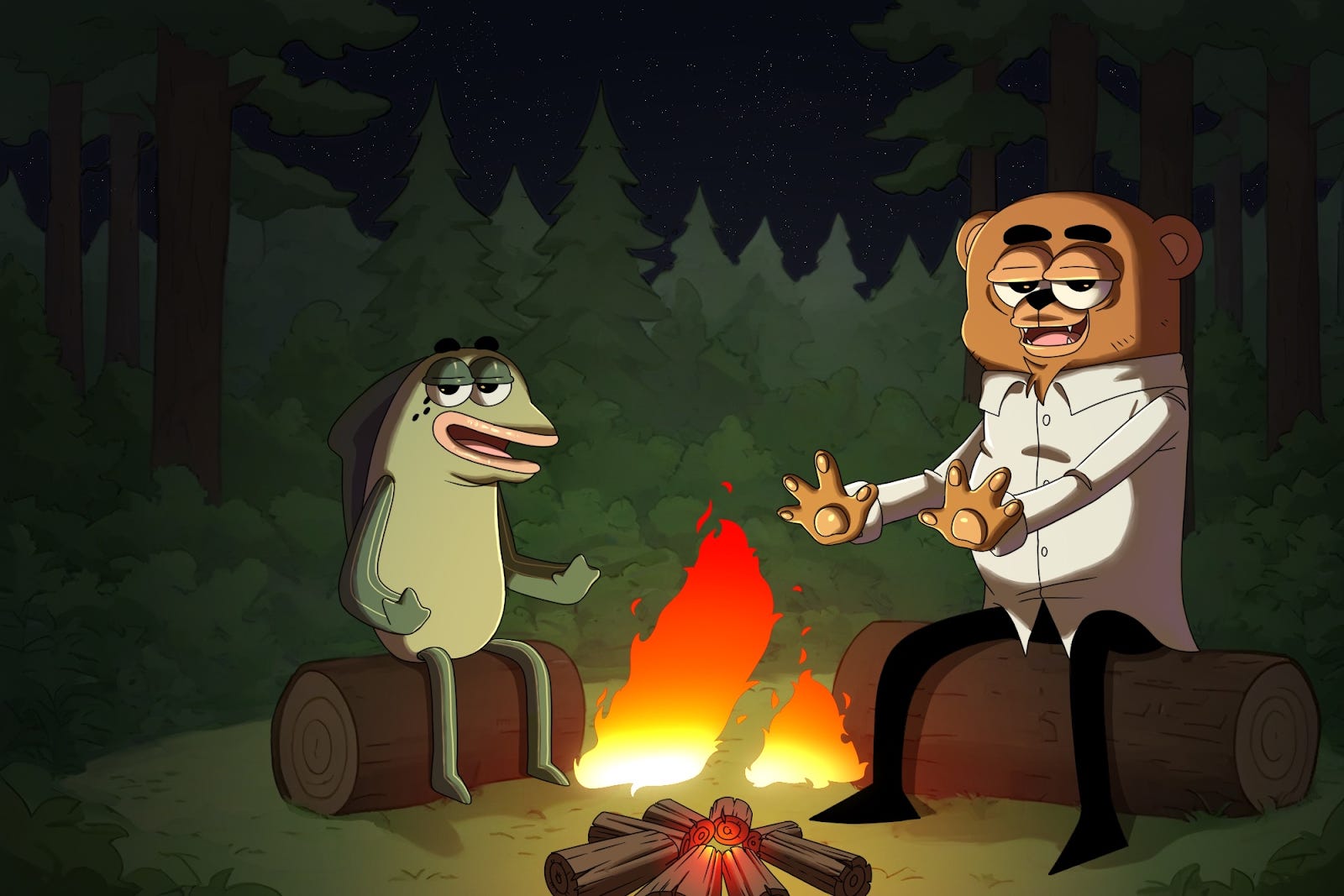
Participants were paired with someone and forced to decide with limited information. Some matchups featured well-known and controversial figures, adding to the allure. These types of explosive matches generated instant social energy and enhanced the emotional experience. Suddenly, the question turned from “what do I want?” to “what do we do?”
Game theory
The presale mechanics used a Prisoner’s Dilemma-style setup. You could cooperate for the best shared outcome, defect to maximize personal gain, or get punished if both defect.
Bears and Salmon laid out the stakes right before the deadline: if both players chose Salmon, both received an optimal allocation; if you chose Bear while your partner chose Salmon, you got the bigger cut; if both chose Bear, the result would essentially be nothing. After the presale, the team decided that even if you were deceived, you still got an allocation, and if you were the deceiver, you had to pay an allocation tax. This kind of structure reframed the presale into more of a social experiment.
Trust as the real currency
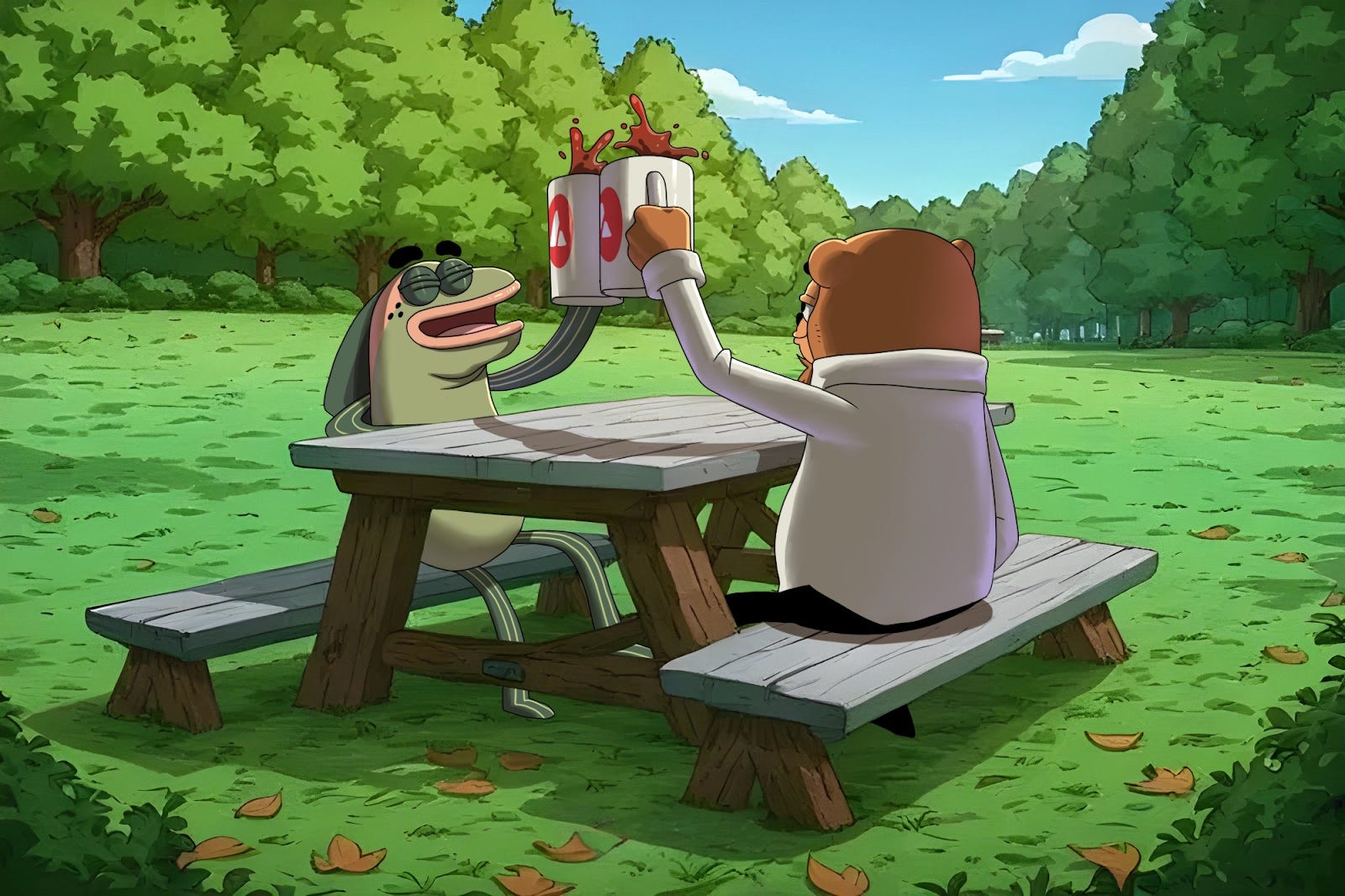
The presale was really about whether you believed another person would cooperate.
That’s a deeply human lever. You couldn’t brute-force it with math. There was no trustless smart contract. You had to analyze vibes, reputation, and alignment. Some teammates even drew up legal documents and posted them to X after both parties signed them, which was hilarious to see.
And because the “Bear steals from Salmon” outcome was explicitly on the table, the whole event became a live test of community culture. Was the community building together, or farming each other?
Lore and character-based storytelling
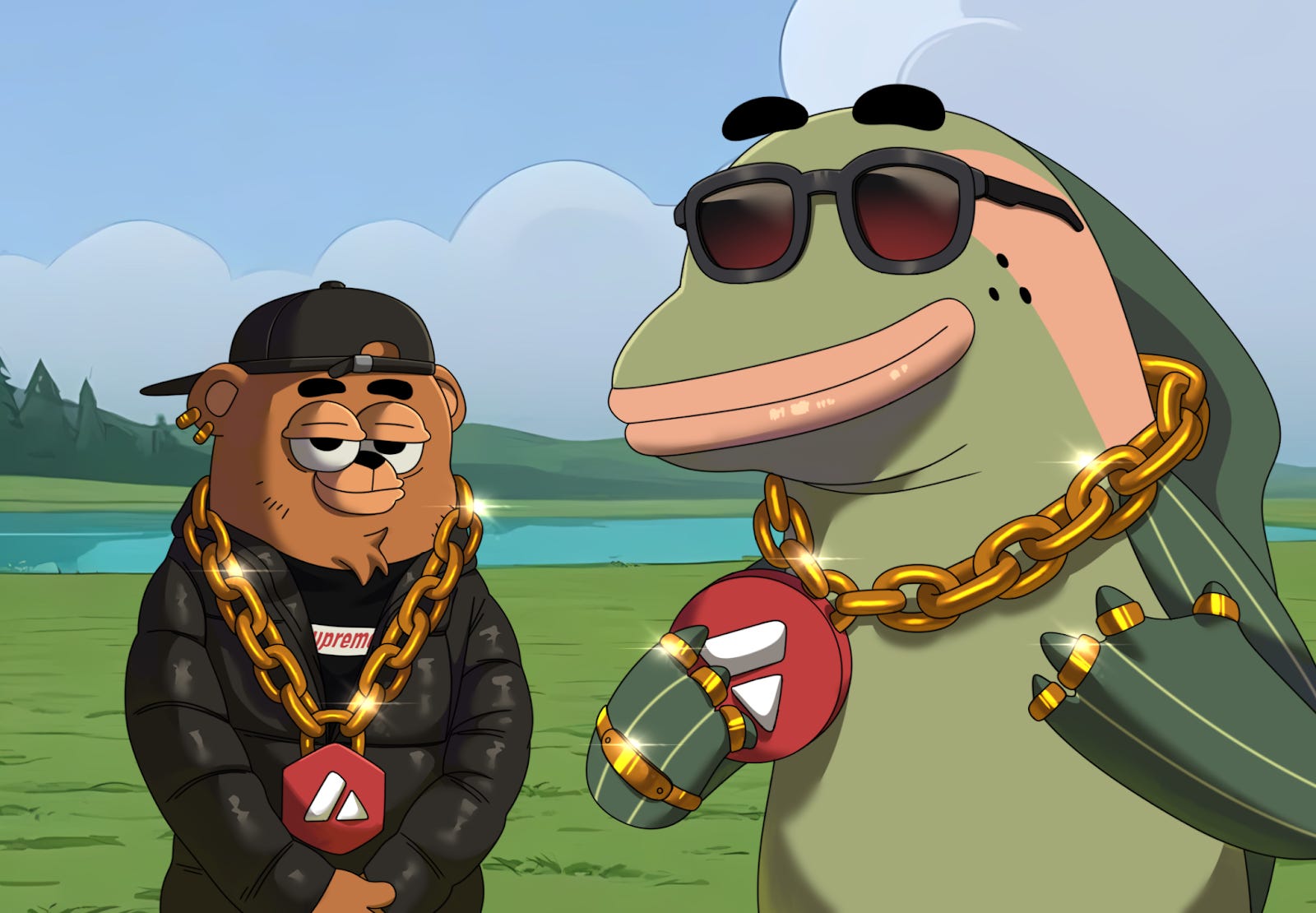
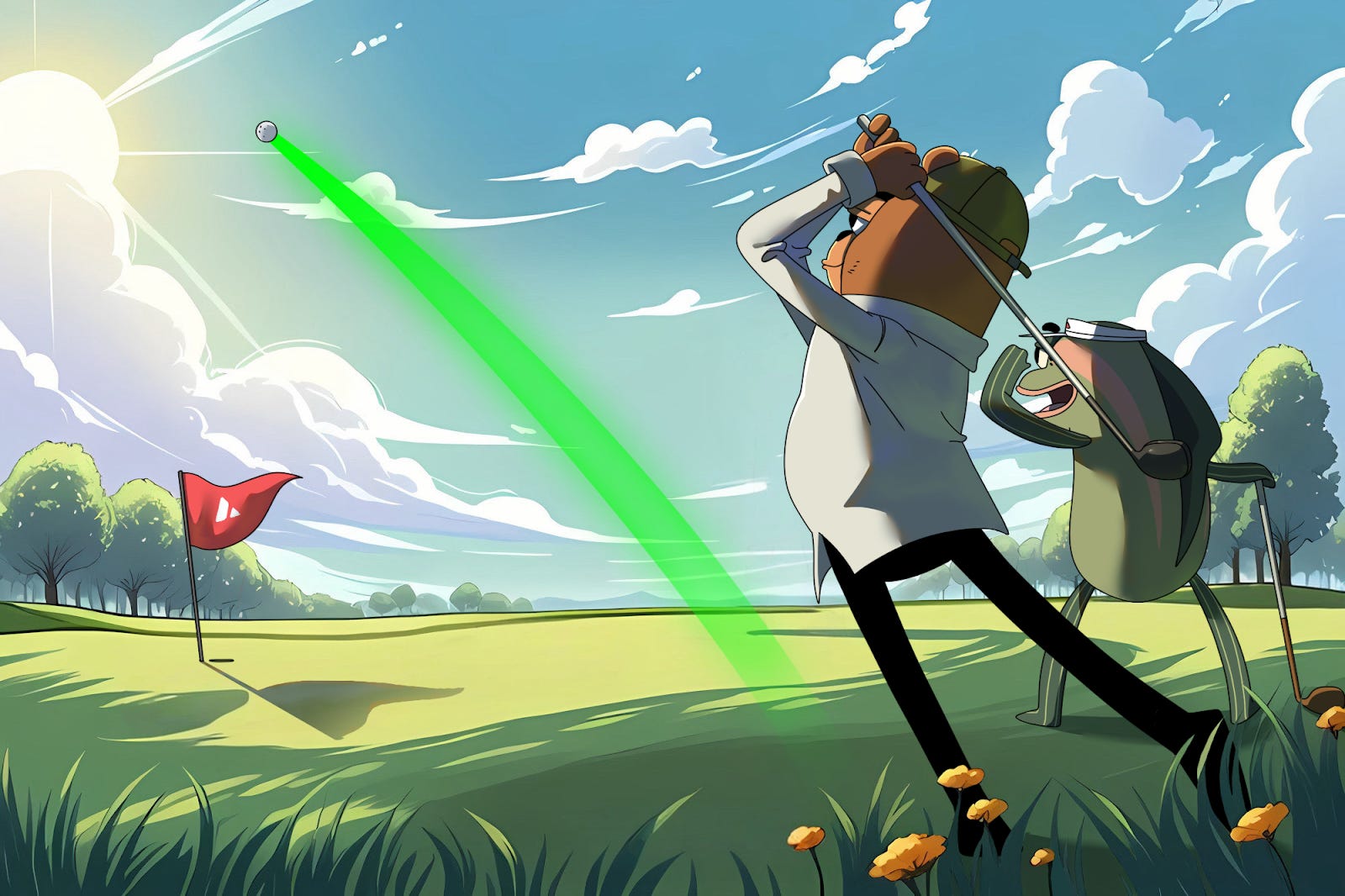
Bears and Salmon leaned heavily into story-first worldbuilding. They introduced distinct characters, recurring jokes, and a simple yet sticky narrative framework rooted in Avalanche-flavored folklore. Bears weren’t just “the aggressive option,” and Salmon weren’t just “the cooperative ones.” Instead, they became personalities and symbols people could identify with and debate over.
As time went on, these characters kept appearing in posts, memes, conversations, and community discussions. This consistency is key. The more consistent the story, the more you have something for people to latch onto, to have shared references and jokes in the community that go beyond just supporting a presale. A world that can continue before, during, and after the sale is way more appealing than a one-off event.
This kind of lore works because it lowers the barrier to engagement. You don’t need to understand every mechanic to participate in the conversation. You just need to understand the story. And once people are emotionally invested in a story, they’re far more likely to speculate, share, and stick around.
Next Steps: Bears Den
On deck is a “Shark Tank”-style format for new projects that’s been dubbed Bears Den, with the first event hosted on January 15th in The Arena and X by @ExcelBaller, plus special judges @vohvohh, @avery_bartlett, and @PolyPup1.
They’ve also shipped project application and gallery pages, with plans to launch a game for people to play during Bears Den events. The presale wasn’t the finish line. It’s being used as the opening chapter for an ongoing launchpad and development loop.
Final Thoughts
The Bears and Salmon presale stood out because it approached fundraising as an experience instead of a simple transaction. The structure prioritized participation, decision-making, and interaction over passive monetary contribution.
Mystery created conversation. Brand-building created familiarity. Game theory created tension. Teamwork forced interaction. Trust created stakes. Lore made it memorable. Now, the project is aiming to capitalize on that momentum by expanding its pipeline of pitches and community programming.
Whether other projects copy the format or not, the takeaway is clear: in 2026, the launches that win attention won’t always be the loudest. Instead, they’ll be the ones that give people something to do, not just something to buy.
Dive into the Avalanche ecosystem today! Download the Core Wallet and unlock a world of seamless DeFi, NFTs, and more.
This is an amazing blog, I'm glad to read about Bears & Salmon, have gain alot more insight!