



Tennis moves billions of dollars every year. Sportsbooks, broadcasting rights, sponsorships, fantasy leagues... but for the average fan, the experience has always been the same: you watch, you bet, you cross your fingers, and you wait.
ProTennis.fun starts from a different idea. What if, instead of betting on a result, you could hold a position in a player’s performance? A position you can manage, adjust, and improve over time.
That’s exactly what this project is about.
From Betting to Managing
The problem with the traditional betting model is simple: you take the risk and someone else keeps the margin. You participate, but you build nothing.
On ProTennis.fun, you’re not playing against the house. You buy shares of real players, and those shares behave like assets:
They go up or down based on performance
They can be bought and sold at any time
They have real liquidity
They’re part of a living market
If a player performs well, your position improves. If you identify talent before everyone else, you capture that value. If you want to exit, you sell. There are no closed bets. There are decisions.
An App Built For Fans
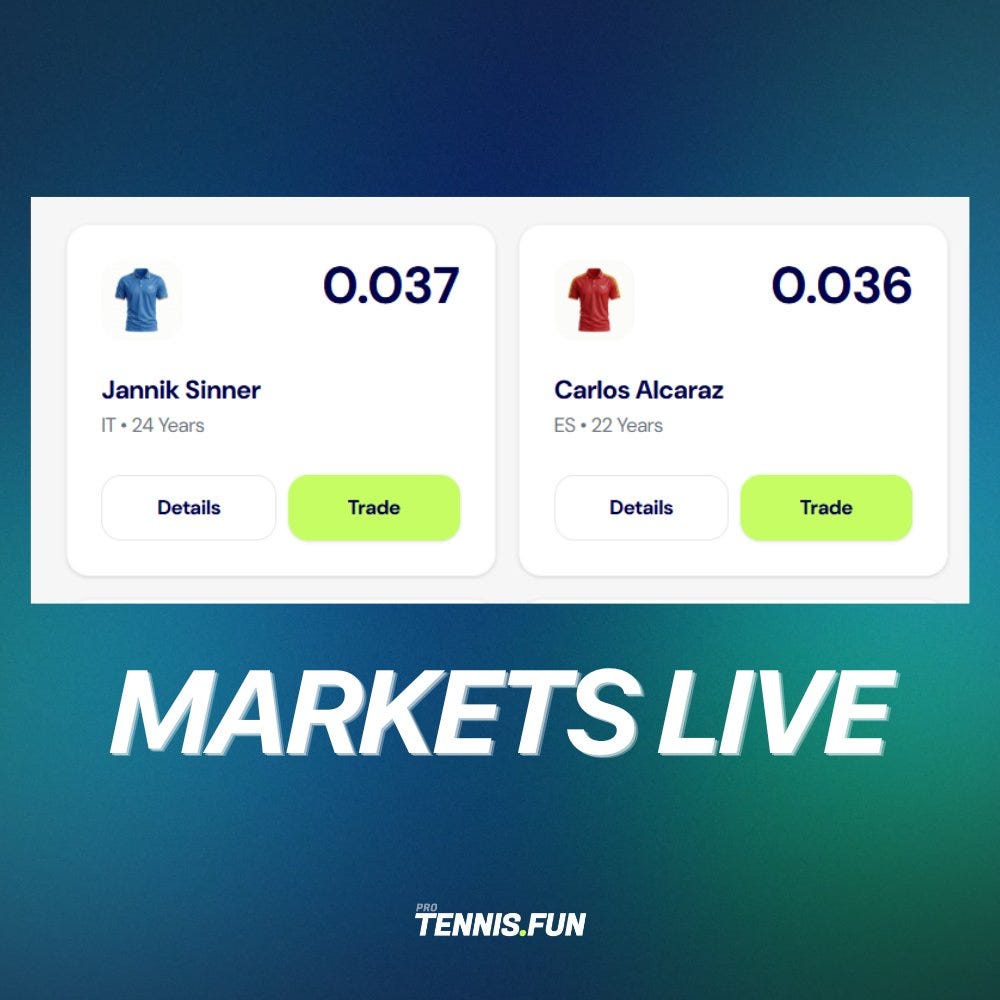
One thing becomes clear quickly when using the platform: it’s not trying to teach you about Web3. There’s no technical friction and no unnecessary steps. You log in, connect your account, and what you see is exactly what you’d expect from a well-designed fantasy app: market, stats, team, tournaments, and your profile.
The blockchain is the mechanism that makes everything you do there make sense: real ownership, market-driven liquidity, and clear rules. It doesn’t matter if you come from crypto or if you’ve followed tennis your whole life. The experience is the same.
How It Actually Works
Each player functions as an independent asset:
They have a maximum supply
They have their own market
Their price changes based on performance and demand
They can be freely traded
You’re not buying “cards”. You’re buying real exposure to that player’s performance.
Playing Well Requires Managing Decisions
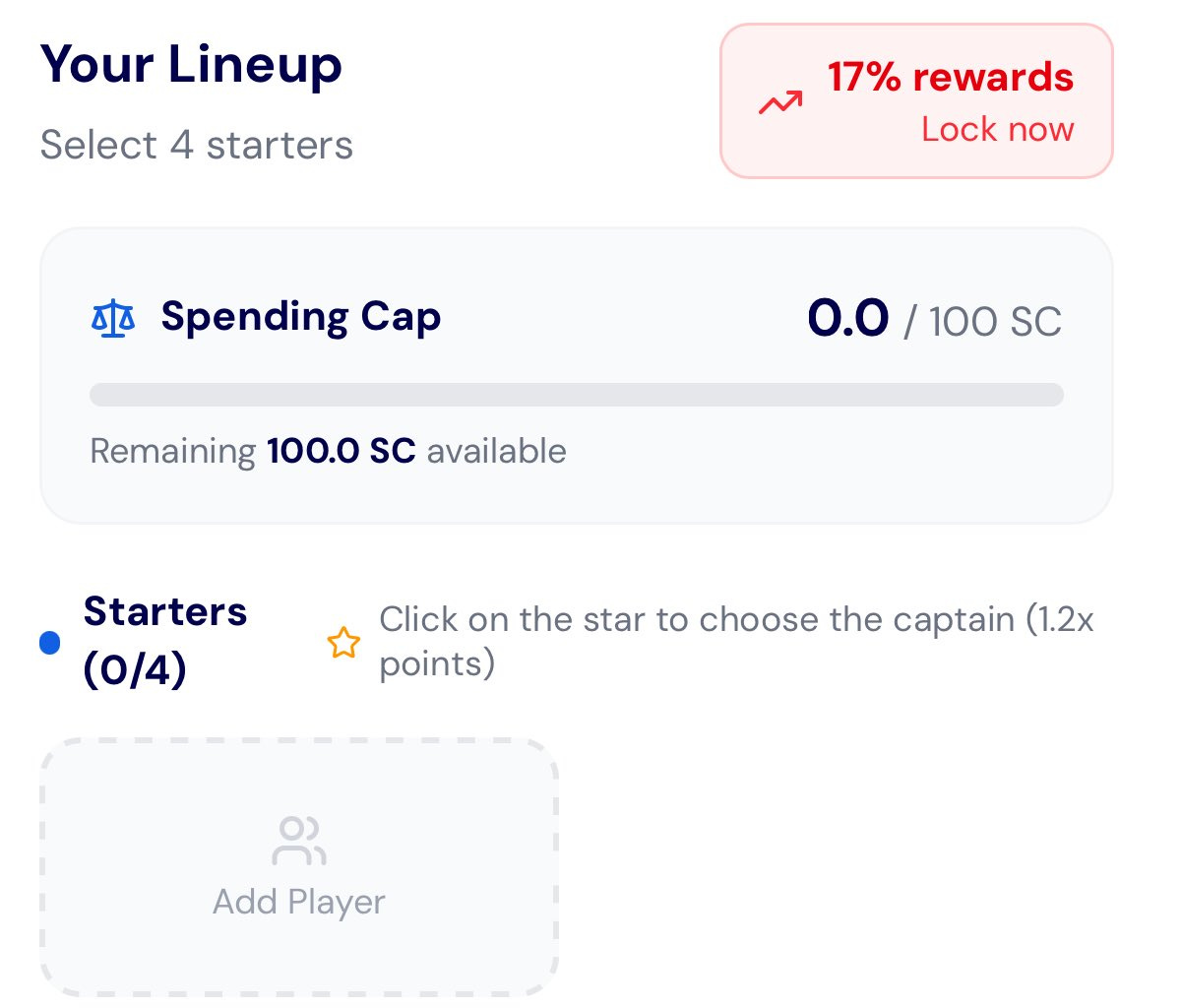
Every week, ProTennis.fun groups all ATP matches into a single global tournament. Your task is to build a team within a clear limit. You can’t just select the top five players in the rankings and call it a day. The system forces you to think.
That’s where the game becomes interesting. You have to decide when to pay for a star, when to back an undervalued player, when to diversify, and when to concentrate. Tennis isn’t linear, and the platform understands that.
On top of that, there’s a key layer: contracts. Players aren’t infinite resources. Every time you use one, you consume a contract. Renewing them has a cost that depends on the player’s value and popularity, which adds a medium-term management dimension.
What matters is choosing well this week and sustaining a strategy over time.
An Economic Model That Works Without Empty Speculation
ProTennis.fun avoids one of the most common mistakes in Web3. There’s no inflationary token promising unrealistic returns. The system is supported by real activity: trading, contract usage, and constant participation.
Rewards exist, but they’re designed to sustain the game loop, not to create empty speculation. You play, earn points (TP), reinvest them, improve your portfolio, and play again. It’s a closed and controlled loop.
New shares enter the market gradually through crates, using a system that automatically adjusts based on activity. When the market is active, access becomes more expensive. When things slow down, it becomes more accessible.
Crates: Controlled Entry Into The System
Crates are the way to introduce new shares into the market.
There are three levels:
Bronze: Base cost ~100 TP.
Silver: Base cost ~500 TP.
Gold: Base cost ~2500 TP.
Each one contains different players, and their price adjusts dynamically based on market activity. If demand is high, prices go up. If the market cools down, prices go down.
The system prevents all supply from entering at once. When you open a crate, players first go into a pending state, which prevents immediate dumping.
From Theory To The Court
From day one, the team made it clear they didn’t want a typical launch. There were no private rounds and no insiders accumulating an advantage. Early access was handled through a Refund Raffle, where users participated with the chance to either get in or get their initial capital back.
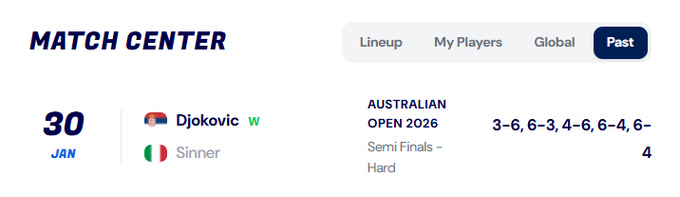
Today, the platform is fully live, with open markets, active trading, and tournaments running alongside the biggest events on the tour. The Australian Open was the first major stage and served as a real-world test that the system works under pressure, volume, and emotion.
Why ProTennis.fun Feels Different
It doesn’t try to reinvent tennis. It doesn’t sell promises of wealth. It doesn’t depend on a token price.
What it does is more subtle. It takes the knowledge many fans already have and turns it into a tool. A way to participate actively, make decisions, make mistakes, learn, and improve.
In an ecosystem where many projects rely on noise, ProTennis.fun is built on something more solid: a global sport, clear rules, and a game where thinking well actually matters.
And that, ironically, is what makes it interesting.
Dive into the Avalanche ecosystem today! Download the Core Wallet and unlock a world of seamless DeFi, NFTs, and more.