




International visitors shopping in Japan now have another option to receive their consumption tax refunds through a digital wallet, rather than a traditional card refund or international transfer.
Japan Tax Free and UPBOND have introduced a service that uses JPYC, a Japanese yen-denominated stablecoin, to process these payments on Avalanche. Recipients can choose to hold their JPYC for a future trip to Japan or exchange it for other supported tokens.
The launch follows Japan’s introduction of a new consumption tax refund system on November 1, 2026, marking another step towards bringing blockchain-based payments into everyday transactions.
Japan’s New Tax Refund System

For years, eligible international visitors shopping in Japan could purchase goods at participating tax-free stores without paying consumption tax at the point of sale. The new system changes how this works.
From November 1, 2026, travellers must pay the full price, including consumption tax, when making eligible purchases. They can then receive a refund after customs confirms the purchased goods are leaving Japan.
The change is intended to strengthen oversight and address loopholes in the previous system, including cases where tax-free purchases were resold within Japan.
Under the new process, travellers need to complete customs confirmation when departing Japan. Eligible purchases must be presented for confirmation within 90 days of purchase. Once the required checks are completed, the consumption tax amount can be refunded through the method supported by the retailer or refund provider.
Digital Yen Refund Option
The partnership introduces JPYC as an alternative way for international visitors to receive their tax refunds.
JPYC is a yen-denominated stablecoin designed to maintain a value corresponding to the Japanese yen. Unlike cryptocurrencies whose prices can fluctuate significantly, stablecoins are designed to maintain a more predictable value against the currency they represent.
For travellers, receiving a refund in JPYC means the refund can be transferred to a digital wallet rather than being limited to conventional payment methods.
The option is particularly interesting because visitors do not necessarily need to arrive in Japan with an existing crypto wallet. UPBOND provides the wallet creation and authentication infrastructure that allows eligible travellers to prepare a receiving wallet as part of the refund process.
This makes the service more accessible to people who may be unfamiliar with blockchain or digital assets.
How the JPYC Tax Refund Process Works
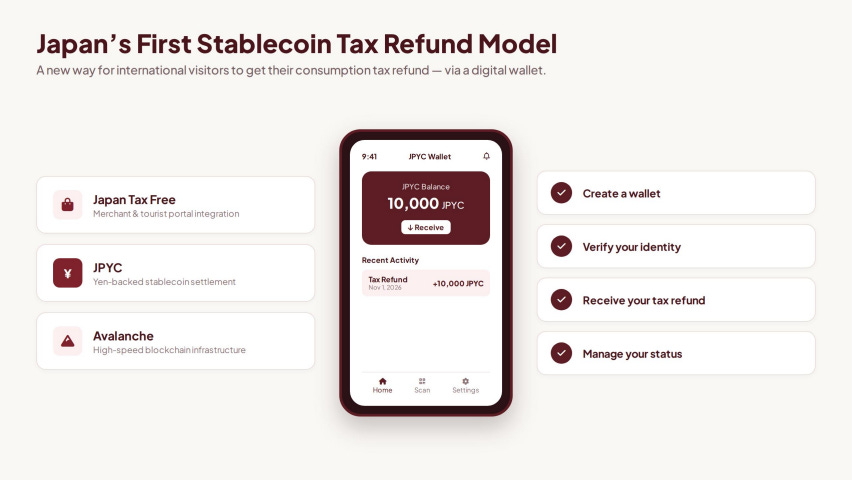
The service connects Japan Tax Free’s JAPAN Refund system with UPBOND’s wallet infrastructure and JPYC transfers.
The process follows three main steps:
1. Make an eligible purchase
Travellers shop at participating tax-free stores and pay the full price, including consumption tax. The tax refund system records the purchase.
2. Complete customs confirmation
When leaving Japan, travellers present their passport and complete the required customs procedure. Customs confirms that the eligible goods are leaving the country.
3. Receive the refund in JPYC
After customs confirmation and the required checks by Japan Tax Free, the eligible consumption tax amount can be refunded in JPYC to the traveller’s designated wallet.
The process connects the retail purchase, customs verification, and digital refund into one system. The refund is still subject to the required eligibility and verification procedures.
Why Avalanche Is Part of the Process
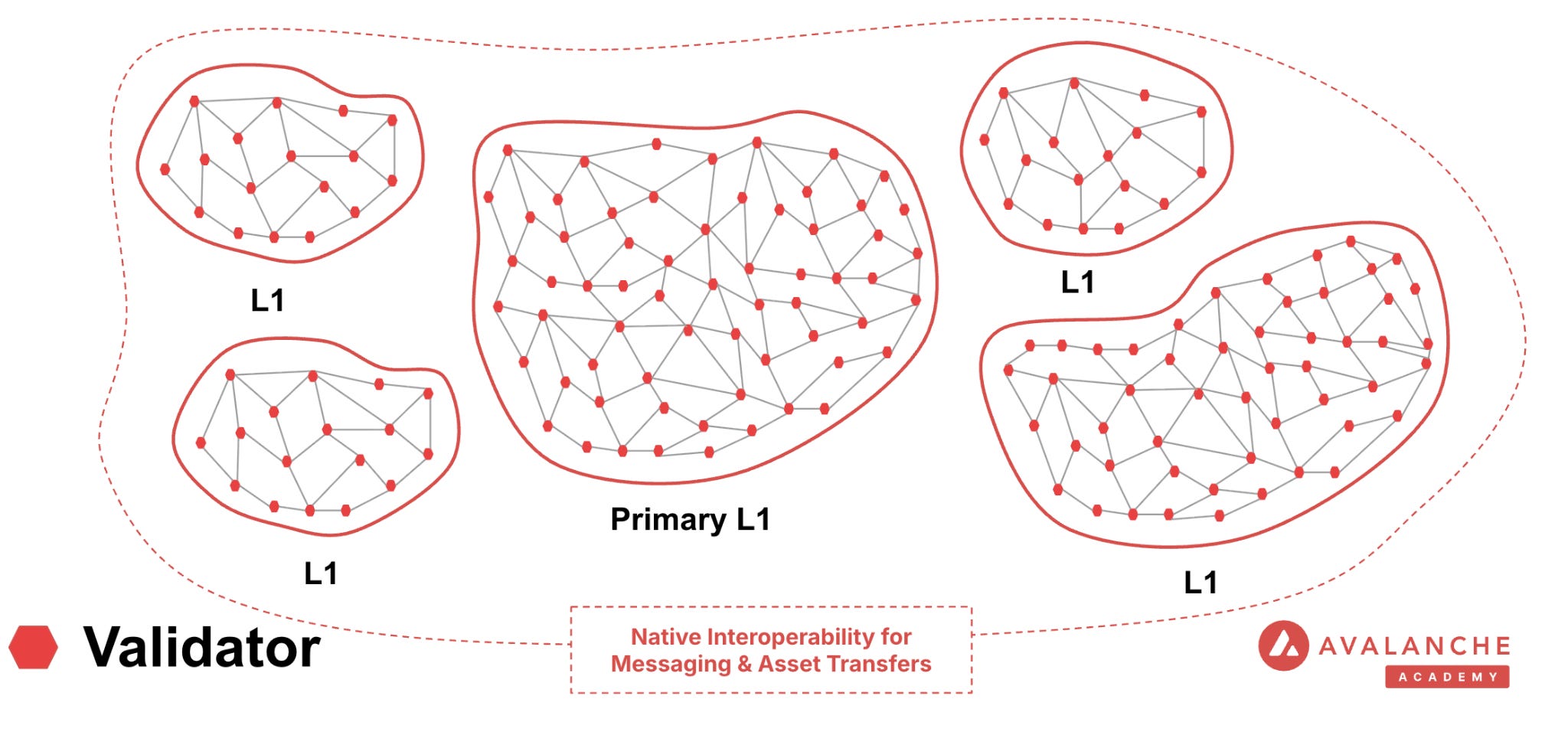
JPYC transfers for the refund service take place on Avalanche’s C-Chain, an Ethereum-compatible blockchain that supports smart contracts and decentralised applications.
Each participant has a distinct role. Japan Tax Free manages the tax refund service, JPYC is the yen-denominated stablecoin used to issue refunds, UPBOND provides the wallet integration, and Avalanche’s C-Chain supports the on-chain transfers.
Blockchain provides the infrastructure for moving JPYC between systems and wallet addresses. Travellers can receive their refunds digitally without needing to interact directly with the underlying blockchain technology.
There are still practical considerations. Travellers need to meet the tax refund requirements, complete customs confirmation, and follow the wallet and refund instructions provided by the service. They should also understand that receiving JPYC is different from receiving cash or a conventional bank refund. Using or converting the stablecoin may involve additional steps depending on the wallet and services available to them.
For the wider payments industry, the development shows how stablecoins can be connected to existing financial and commercial processes. Instead of being used only for trading or transfers between crypto users, a yen-denominated stablecoin is being introduced as one option for a real-world refund service.
It also gives businesses and developers a practical example of how wallet infrastructure, blockchain networks, and existing payment systems can work together.
What’s Next for UPBOND?
UPBOND has also discussed plans to integrate the refund experience with its Agentic Wallet.
The proposed direction is to make it easier for travellers to manage and use their digital yen after receiving a refund. This could create opportunities for visitors to hold their JPYC and use it during a future trip to Japan.
However, this is a development direction rather than a feature that should be confused with the refund service launched on November 1. The current service focuses on enabling eligible travellers to receive their refunds in JPYC.
As wallet technology develops, the connection between digital assets and everyday services could become more familiar to people who have never actively used blockchain applications.
Conclusion
Japan’s new tourist tax refund service is an example of blockchain infrastructure being applied to an existing consumer process.
The partnership brings together Japan Tax Free’s refund operations, UPBOND’s wallet technology, JPYC’s yen-denominated stablecoin, and Avalanche’s C-Chain to provide eligible international visitors with another way to receive their refunds.
There are still questions around user experience, adoption, and how easily travellers will use digital yen after receiving it. But the launch gives stablecoins a practical role in travel-related payments and shows how blockchain can connect with services beyond the crypto industry.
As more businesses explore digital payments, use cases like this are worth watching.
New to Avalanche or already part of the ecosystem? Find projects, resources, and ways to get involved. Explore here: https://cascade.team1.network/
Dive into the Avalanche ecosystem today! Download the Core Wallet and unlock a world of seamless DeFi, NFTs, and more.