



Imaginus is a mobile multiplayer arena game that combines short 3v3 matches with optional blockchain-based features. Positioned within the MOBA category, it aims to address common friction points in mobile competitive games, particularly long match times and complex onboarding. Based on its public materials and litepaper, Imaginus focuses on fast sessions, clear class roles, and a system that allows players to choose whether or not to engage with Web3 elements.
Imaginus is already available on Android through the Google Play Store, with an iOS release planned. The team describes the current stage as an active development phase, using live player data to refine balance, matchmaking, and core systems as the game expands to more users and platforms.
Rethinking Match Length for Mobile
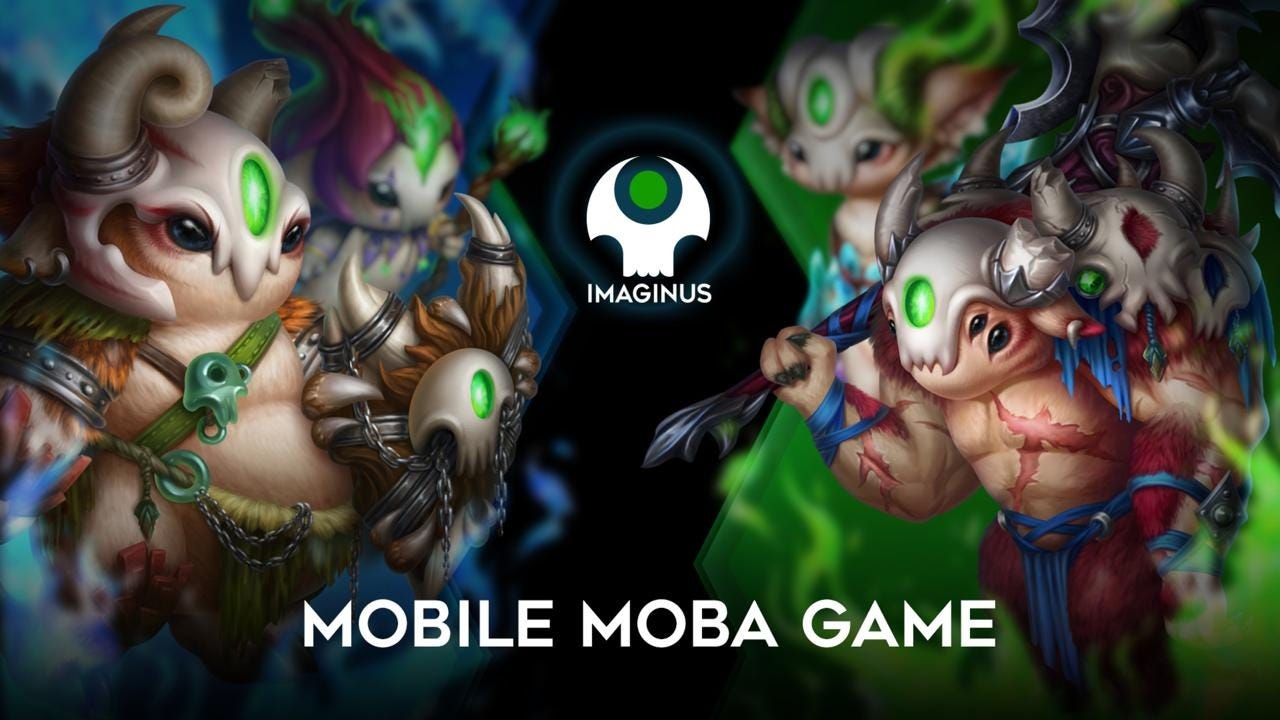
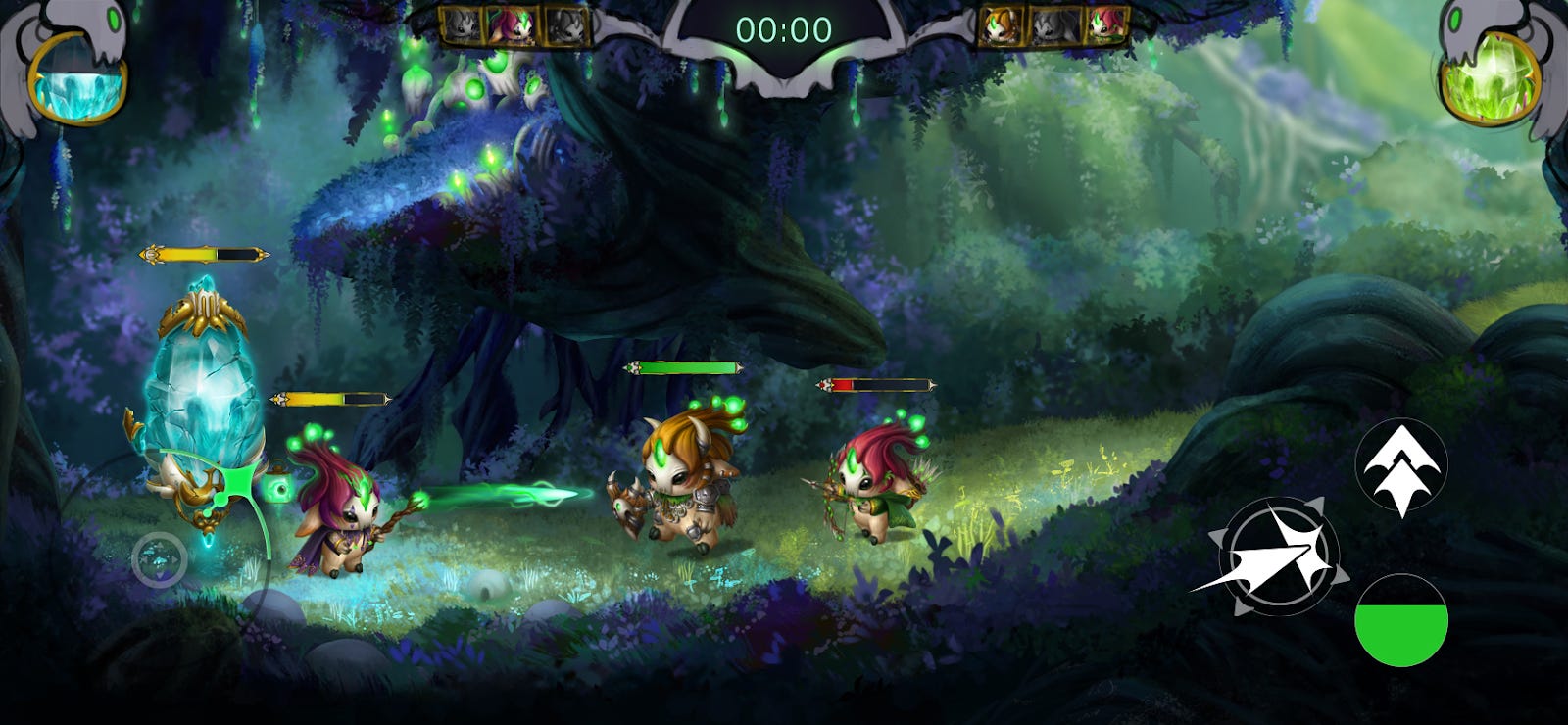
Traditional mobile MOBAs often mirror PC design, with matches lasting 15 to 30 minutes. Imaginus takes a different approach. Each match lasts up to five minutes, aiming to align with shorter mobile play sessions such as breaks during the day or quick play windows.
The core format is 3v3 arena combat. Players select from three classes:
Priest
Warrior
Archer
Each class has a defined role, strengths, and limitations. The emphasis is on teamwork, positioning, and timely decision-making within a compressed match structure. The design follows a “minutes to learn, years to master” philosophy, aiming to keep entry accessible while maintaining competitive depth.
Imaginus is built as a mobile-first product. Controls are optimized for touchscreens, and the interface is designed to be readable without lengthy tutorials. Features such as squads, skins, and competitive matches are integrated into this streamlined structure.
Narrative Framework
Imaginus includes an overarching narrative that frames its competitive arenas.
At the center of the lore is the Black Hole, described as a force that generates autonomous universes with distinct rules and dangers. Between these worlds lies Limbo, a central hub where realities intersect. Players take on the role of an “Ima,” a traveler capable of moving between universes.
The 3v3 arenas represent battlegrounds tied to one of nine worlds previously explored by the original Ima. Within this framework, players are positioned as defenders of Earth’s universe. The narrative provides thematic context, while gameplay remains focused on structured team-based competition.
Web2 and Web3 Structure
A defining element of Imaginus is its dual Web2 and Web3 design.
Players can access the game without interacting with blockchain components. Logging in, forming teams, purchasing skins, and joining matches function similarly to traditional mobile games.
For those who choose to engage with Web3 features, Imaginus includes a Web2–Web3 Switcher that enables:
Ownership of in-game assets
NFTs synchronized between Web2 and Web3 versions
Access to a broader ecosystem
Participation in Contribute-to-Earn systems
Blockchain operates as infrastructure rather than a requirement. Imaginus is built on Avalanche, which the project cites as providing scalability and flexibility for asset standards and integrations.
Within the ecosystem, NFTs are described as functional in-game items rather than purely cosmetic assets. The project also references marketplace and API integrations intended to simplify asset management and usability.
Governance and Participation
Imaginus outlines a participatory structure centered on community contribution.
Through its Contribute-to-Earn model, players and creators can propose content, influence mechanics, and participate in shaping parts of the in-game economy. Contributions are evaluated through a governance system overseen by a decentralized autonomous organization, or DAO.
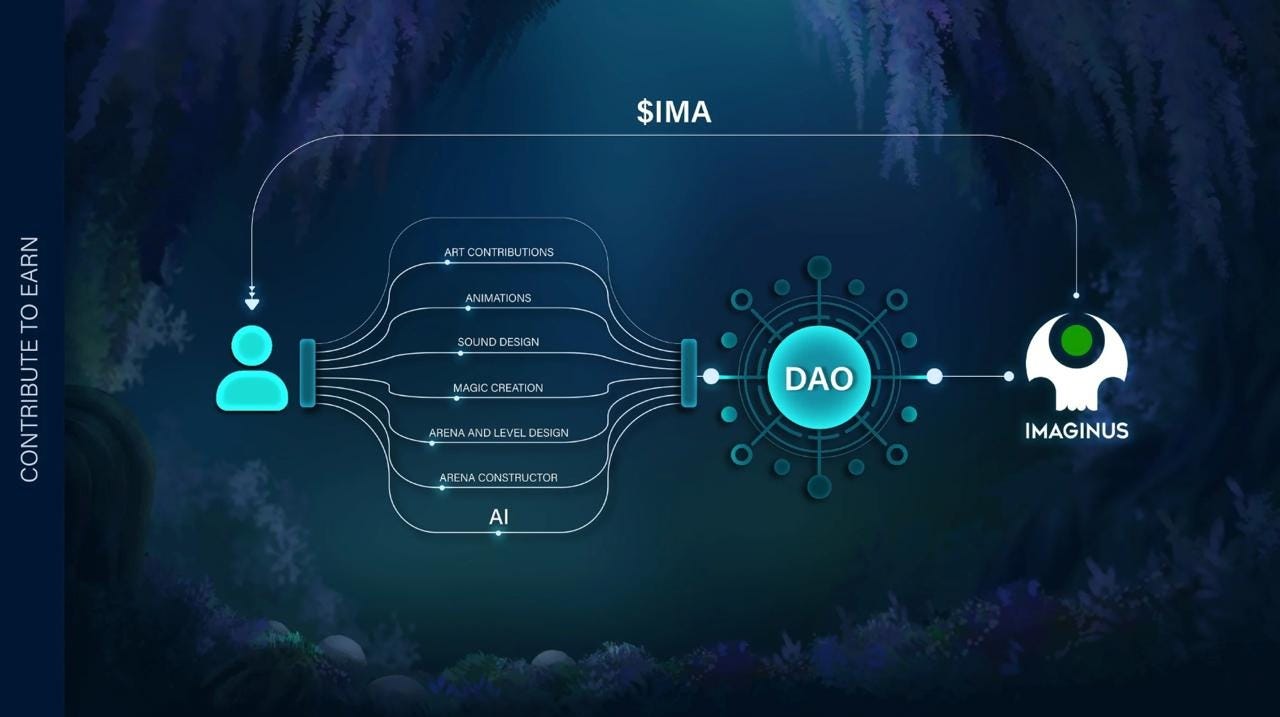
The ecosystem includes the $IMA token, which grants governance rights and voting power to engaged participants. According to the litepaper, value generated by in-game assets is designed to flow primarily to users who own and utilize them.
Positioning
Imaginus differentiates itself through three main pillars:
Five-minute 3v3 matches designed for mobile sessions
Optional blockchain integration rather than mandatory onboarding
A governance and contribution structure tied to a DAO and token system
The separation of core gameplay from blockchain mechanics allows players to choose their level of participation. Competitive play remains accessible without Web3 interaction, while additional ownership and governance features are available for those who opt in.
Conclusion
Imaginus is a mobile-first 3v3 arena game structured around short sessions and team-based strategy. With an Android version already live and an iOS release planned, the project combines fast competitive gameplay with optional on-chain infrastructure built on Avalanche. Its design centers on accessibility, structured competition, and a participatory ecosystem that extends beyond the match itself.
Imaginus is currently available for download on the Android Play Store, with an Apple App Store release expected in the near future.
You can download and play Imaginus on the Android Play Store now. It should be available on the Apple App Store soon. For feedback, technical inquiries, and matchmaking, visit Imaginus’ Discord server.
Dive into the Avalanche ecosystem today! Download the Core Wallet and unlock a world of seamless DeFi, NFTs, and more.