



Blockchain Jungle 2025 was the starting point, not the end goal.
While the global conversation around mass adoption remains stuck in panels and slide decks, members of Team1 chose to test something different in Costa Rica: living Web3 in real conditions and making it part of everyday life.
Juan Carlos Quiceno and Daniel Luque recently traveled to San José to open doors, connect communities, and lay the groundwork for sustainable adoption. What they found made one thing clear: Costa Rica isn’t just interested… it’s ready.
Seven days, zero cash
Landing in a foreign country already comes with limitations. Now add a self-imposed rule: no cash and no traditional bank cards, at all.
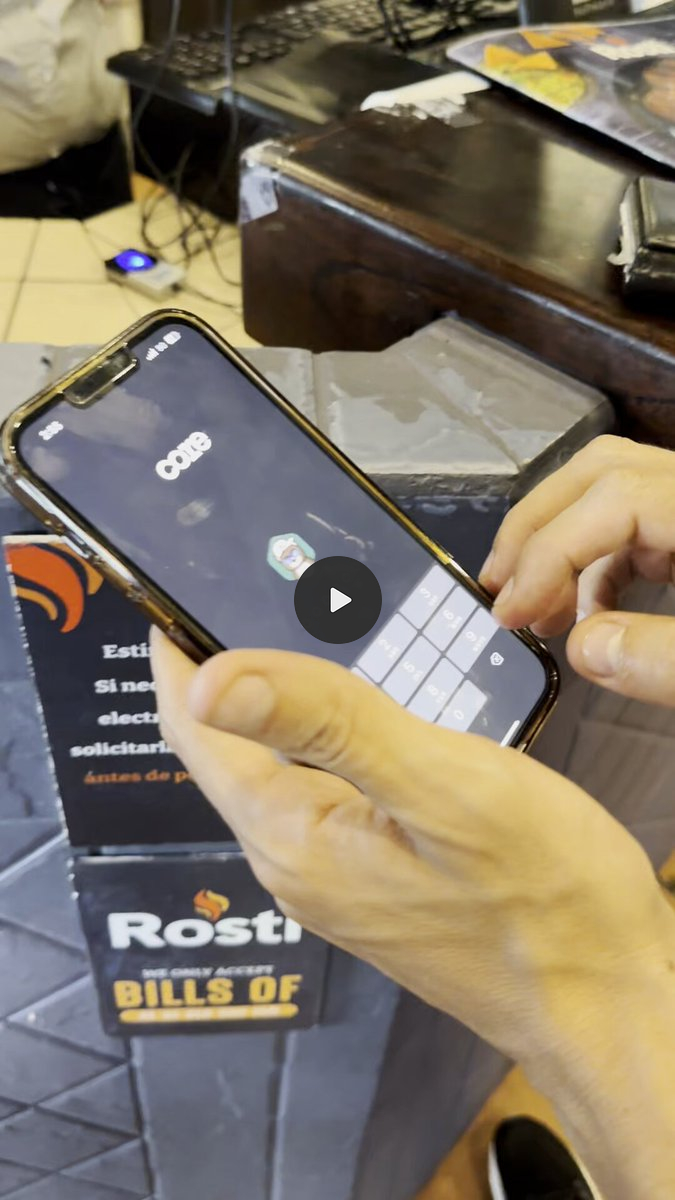
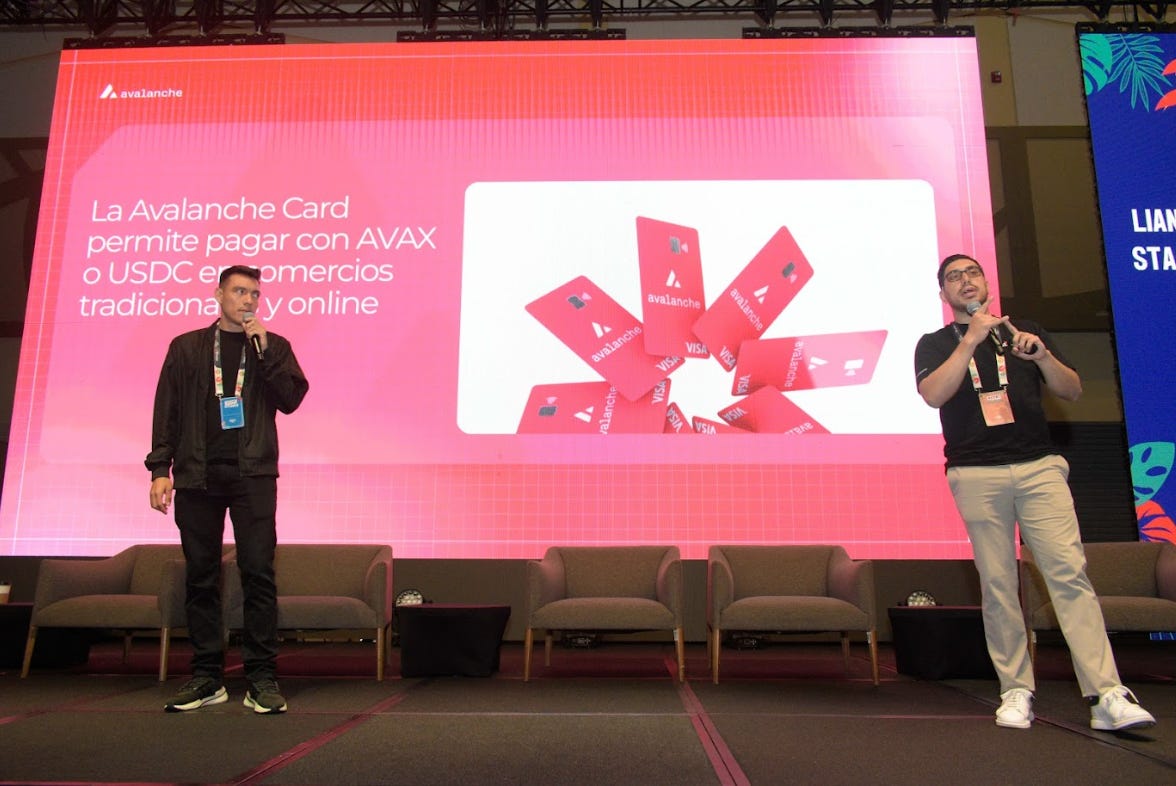
For seven days, the Team1 crew handled their daily operations (hotels, transportation, meals, and event logistics) using only Avalanche infrastructure. The main tools were Avalanche Card and Core Wallet.
Coffee paid on-chain. Transportation covered with on-chain funds. Local vendors getting paid without even noticing the payment originated from a blockchain.
“When you pay for a coffee or a ride and the merchant doesn’t notice the difference, the technology becomes invisible. And that’s when it starts to be useful,” Juan Carlos Quiceno explained.
The most interesting part of the experiment happened away from the main stage. Event audiovisual providers accepted payments directly in Core, then used their Avalanche Cards to cover everyday expenses. It was a full loop: from the C-Chain to the grocery store, without traditional banking intermediaries.
Throughout the week, close to 200 Avalanche Cards were activated. For many people, it was their first interaction with Web3, not as a concept, but as a working tool.

Academia as the entry point
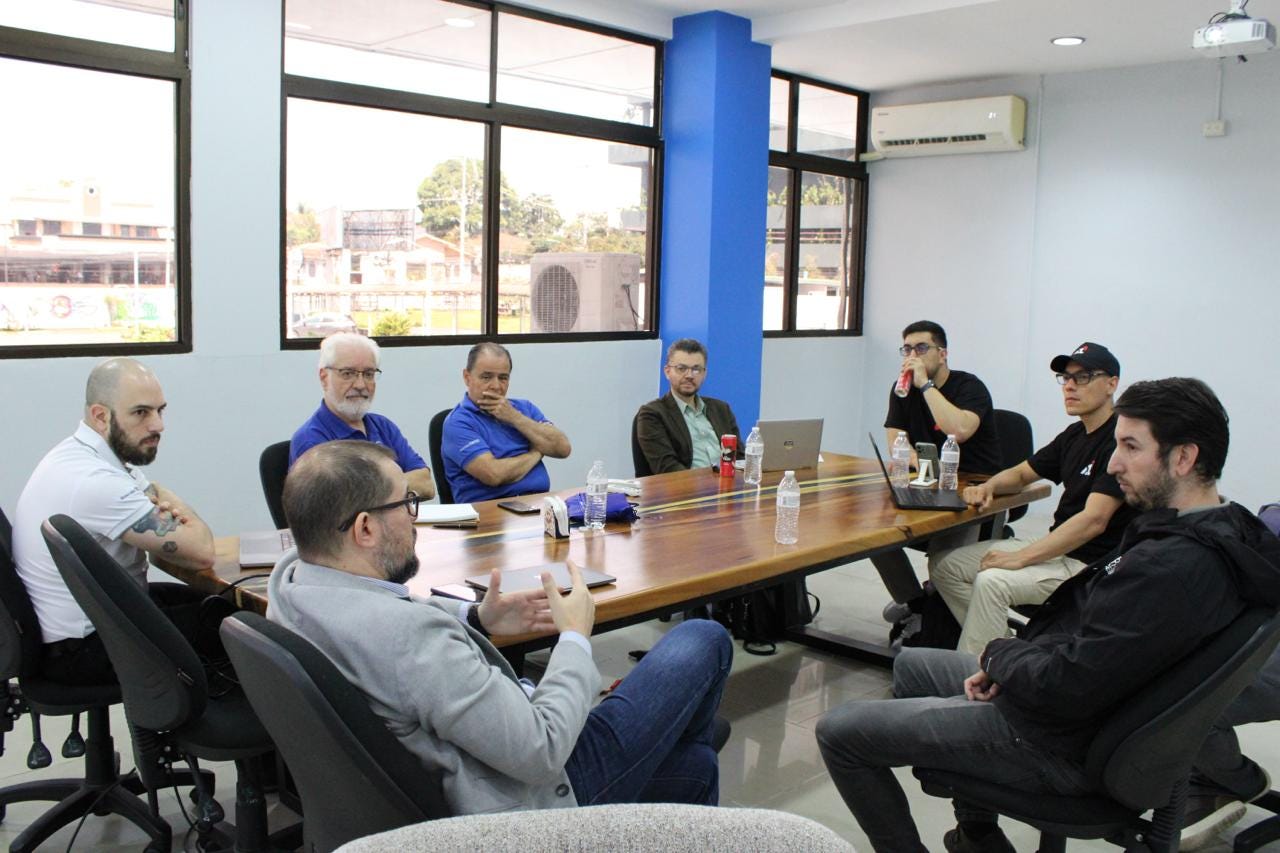
One of the most valuable aspects of the trip was the connection with academia. That bridge was made possible thanks to the support of AsoBlockchain (Costa Rica Blockchain Association), who served as our point of contact and helped us align with educational institutions and open conversations with key stakeholders.
Across three key institutions, conversations with rectors and deans revolved around a shared need: bringing students closer to real Web3 infrastructure.
CENFOTEC
With nearly 1,800 software students, the challenge wasn’t conceptual. Development labs were being interrupted by something very practical: lack of gas on test networks.
The solution wasn’t building new infrastructure, but optimizing how Avalanche’s existing tools were used. By improving access to Fuji Testnet and AVAX faucets, students could work without interruptions. From there, discussions moved toward a blockchain-based traceability pilot with potential to scale beyond campus.
Costa Rica Institute of Technology
At one of the country’s most respected public universities, the conversation shifted to infrastructure-level initiatives. Digital identity and blockchain-based university services were discussed, with a vision that could eventually scale at a national level within the education system.
In parallel, progress was made toward integrating Avalanche Academy as a technical foundation for future courses and specialization programs, with Q1 2026 as a target and interim steps like hackathons and workshops.
Texas Tech Costa Rica
Operating under U.S. academic standards, this campus emerged as a natural bridge between local talent and global opportunities. The focus was clear: continuing education, event collaboration, and employability pathways for students trained through Avalanche Academy.
The bilingual format allows existing resources to be used without rebuilding content, accelerating future implementations.
Blockchain Jungle Hackathon: local talent making noise
All of this unfolded alongside Blockchain Jungle 2025, an event that has positioned Costa Rica as a meeting point for technology, sustainability, and regional innovation.
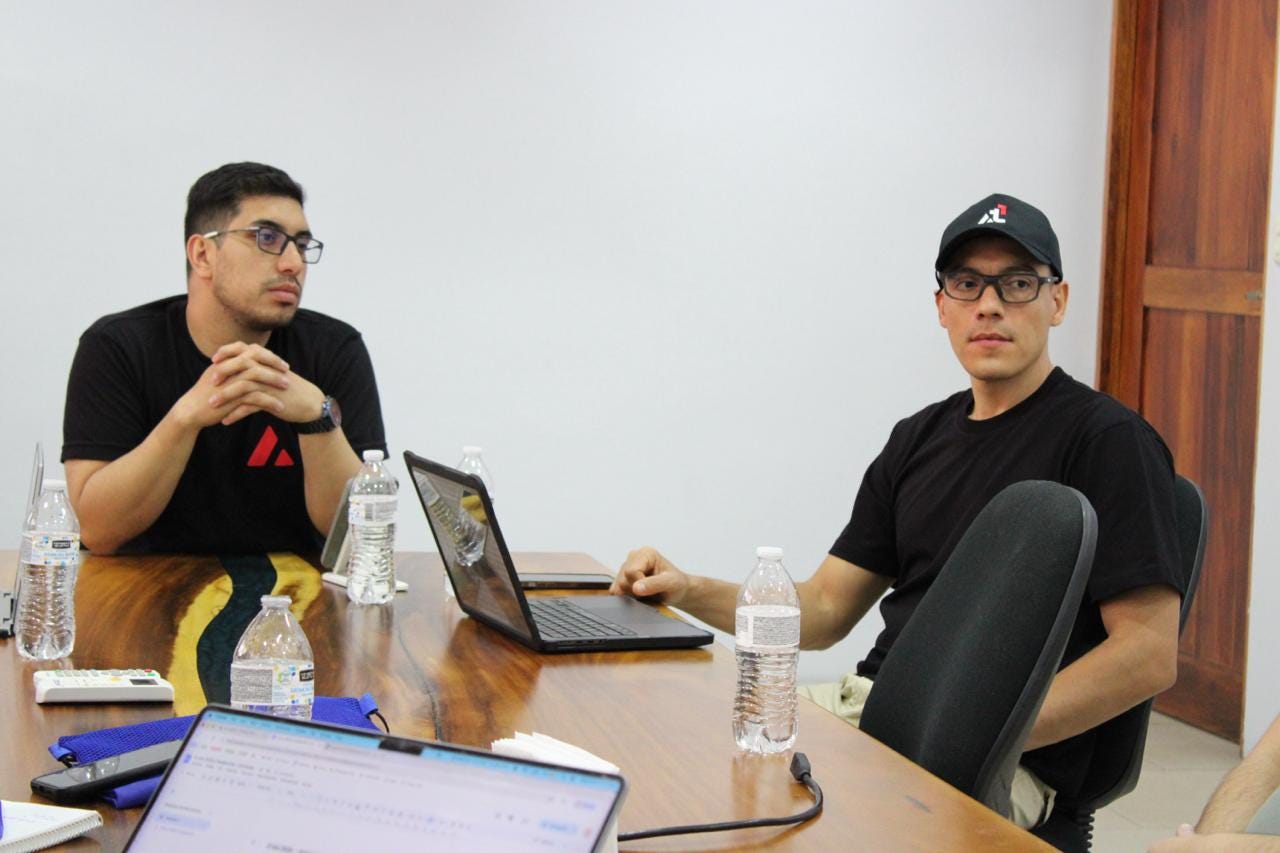
Team1 participated as a Silver Sponsor, but their role was far more hands-on than ceremonial. While Juan Carlos spoke on the main stage about specialized L1s and scalability on Avalanche, Daniel Luque moved between meetings, teams, and builders.
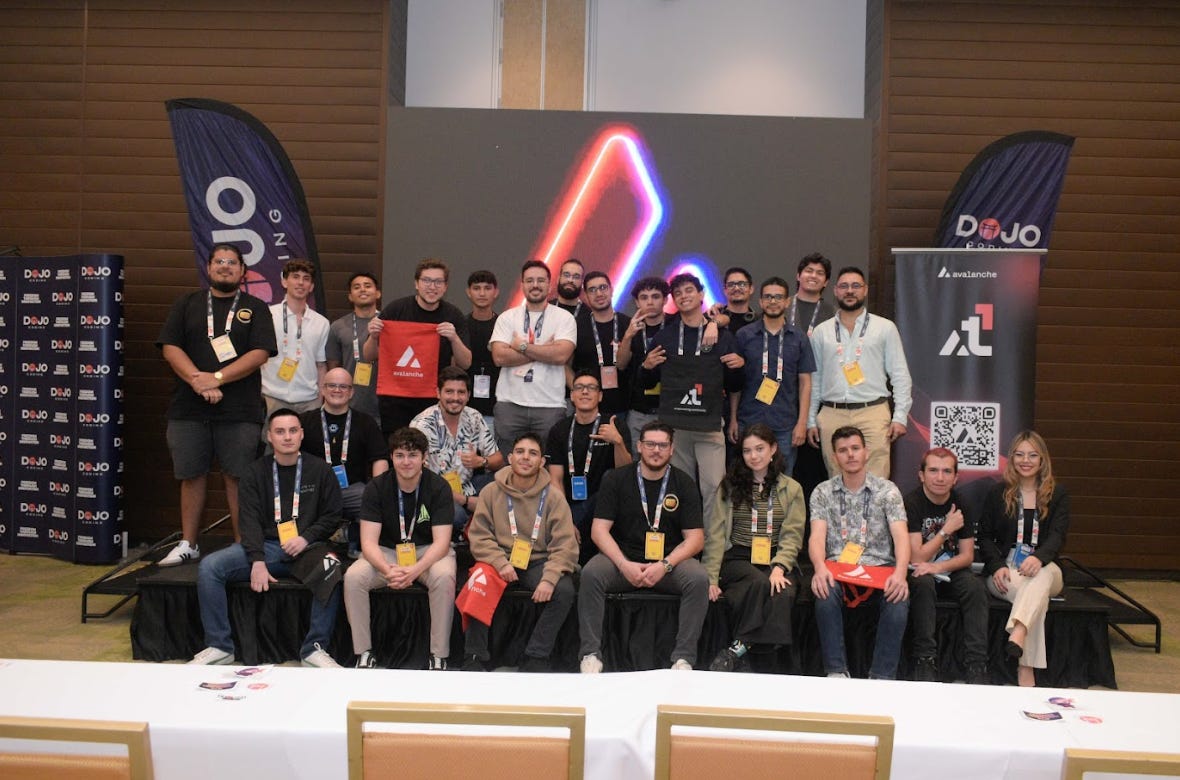
One-on-one mentoring sessions took place with hackathon participants, organized alongside Dojo Coding. One of the in-person tracks connected directly with the Avalanche x Tether WDK Builder Sprint, focused on payment experiences on the C-Chain and linked to the regional finals of the Startup World Cup.
At the same time, hundreds of new wallets were onboarded in real time throughout the event. People weren’t just learning about the network, they were using it.
“What we saw in Costa Rica wasn’t speculation. It was construction,” Luque summarized. “There’s real hunger to solve payments and identity from a local perspective.”
What’s next? A stable bridge between Costa Rica and Avalanche
The trip left three clear takeaways:
Costa Rica wants to adopt Web3 seriously
This wasn’t fleeting curiosity. There was genuine interest from public, private, and educational institutions.Team1 and Avalanche can play a key role
Workshops, university programs, hackathons, integrations, and Web3 payment pilots are all on the table.It’s a strategic hub for expanding Web3 in Central America
Costa Rica functions as a cultural and technological hub. What works there can scale to neighboring countries.
Conclusion: Costa Rica is no longer a bet, it’s an opportunity
Avalanche and Team1’s time in Costa Rica left something truly valuable behind: trust and a shared vision of what Web3 can look like when applied to real life.
Costa Rica brings together elements many regions seek but few manage to align at once: technical talent, universities willing to experiment, institutional stability, and a cohesive community. That combination makes it an ideal environment to operate as a real Web3 laboratory for Latin America.
The roadmap now coming into focus is clear. Academia as the foundation, running cohorts and educational programs that connect students with real infrastructure. Builders receiving technical support, grants, and early-stage guidance to move from idea to deployment. And institutions keeping the door open for pilots and innovation frameworks that allow experimentation without friction.
There’s something unique about Costa Rica: it’s small enough to move fast, yet sophisticated enough for successful experiments to have regional impact.
This trip wasn’t a conclusion, it was a beginning. The local Web3 ecosystem is still early, but it already shows something that can’t be manufactured: cohesion. The challenge now is turning that enthusiasm into continuity, connecting it with concrete tools and sustained support from Team1 and Avalanche.
Dive into the Avalanche ecosystem today! Download the Core Wallet and unlock a world of seamless DeFi, NFTs, and more.
This is awesome 🔺️
Gran experiencia