



Moving money internationally is still slow, expensive, and stuck on banking hours that haven’t changed in decades. Stablecoins have been pitched as the fix for years. The missing piece was always infrastructure you could actually build on.
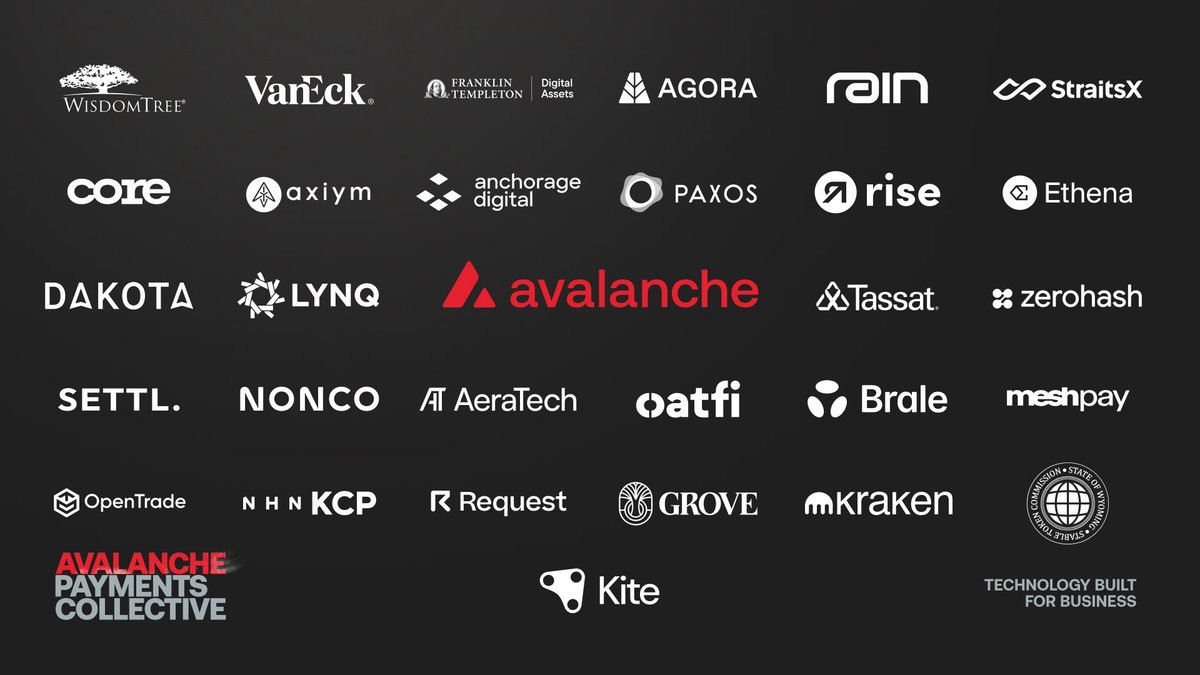
That infrastructure now exists on Avalanche. In June 2025, Avalanche launched the Avalanche Payments Collective (APC), a coalition of 28 organizations spanning stablecoin issuers, settlement networks, asset managers, fintechs, and payment processors. Together they support payment flows across more than 150 countries, 96 currencies, and roughly 22 billion payout endpoints.
That’s the headline, but this guide is about the part that matters if you’re actually building: what to build, which pieces of the APC stack solve which problem, and how to get a working stablecoin payment flow shipped. Whether you’re writing the contracts, running the checkout, or managing the treasury, this is for you.
Choosing Your Stablecoin
The stablecoin you pick should depend on the problem you’re solving, not brand familiarity:
Default to USDC when you need liquidity, mature developer tooling, and broad merchant acceptance. Circle’s native issuance and CCTP support make it the path of least resistance for most integrations.
Reach for FRNT (Wyoming Frontier Stable Token) when your flow needs to move on weekends or holidays. It’s the first fully reserved stablecoin issued directly by a US state government, so it doesn’t pause when banks do, and it already integrates with card-spending tools like Rain.
Use won-pegged tokens through NHN KCP if you’re building for Korean market corridors specifically.
Agora, Paxos, and Ethena round out the APC’s stablecoin bench for more specialized liquidity or yield needs.
Here’s why this matters on Avalanche specifically: sub-second finality with no reorg risk, fees that stay predictable under load, and custom L1 architecture for teams that need an isolated, compliant environment. That combination is a big reason B2B stablecoin payment volume grew more than 700% year-over-year in 2025, with cross-border settlement driving most of that growth.
Building and Scaling Stablecoin Payments
Getting from idea to production fast
Start on the EVM-compatible C-Chain with ethers.js or viem for prototyping. Once you’re ready for a compliance-sensitive or enterprise build, spin up a custom L1 via AvaCloud or the Avalanche CLI. Test everything on Fuji testnet first, USDC and FRNT faucets are available there. Circle, Request Finance, and other APC members are already plugged into the Avalanche Builder Hub, which cuts integration time significantly, and there are builder incentives worth exploring early through APC members directly.
Here’s what that unlocks: streaming payments and escrow contracts, atomic swaps across multiple stablecoins, agentic payment flows where AI agents transact autonomously, and cross-chain flows via Interchain Messaging (ICM).
Making crypto invisible at checkout
Merchants don’t want their customers thinking about blockchains. They just want instant settlement and low fees with familiar UX. XKOVA/Wyopay handles FRNT-based checkout. Rain connects stablecoin card spending to Visa’s global network. Request Finance covers invoicing and accounts payable with direct integrations into QuickBooks, NetSuite, and Xero. NHN KCP bridges traditional rails to stablecoin settlement.
The proof this works in practice: in an NHN KCP pilot, employees paid for cafeteria purchases by scanning a QR code, with smart contracts completing authorization in under two seconds. That’s UX that doesn’t feel like crypto at all.
Getting there is mostly a matter of sequencing: pick a processor that supports USDC or FRNT, add wallet connect or QR at checkout, automate reconciliation for accounting, and layer in onchain yield for idle treasury balances once the basics are live.
Settling cross-border without pre-funding every country
This is the problem that’s historically forced fintechs to lock up capital in local accounts everywhere they operate. Axiym has processed more than $1.4 billion in volume on Avalanche for platforms that collectively move over $25 billion annually across 150+ countries, without needing pre-funded accounts, since capital is accessed on demand instead.
Running global payroll with compliance built in
Rise handles payroll across 190 countries using stablecoins, with automated compliance rather than manual per-country handling.
Putting idle treasury to work
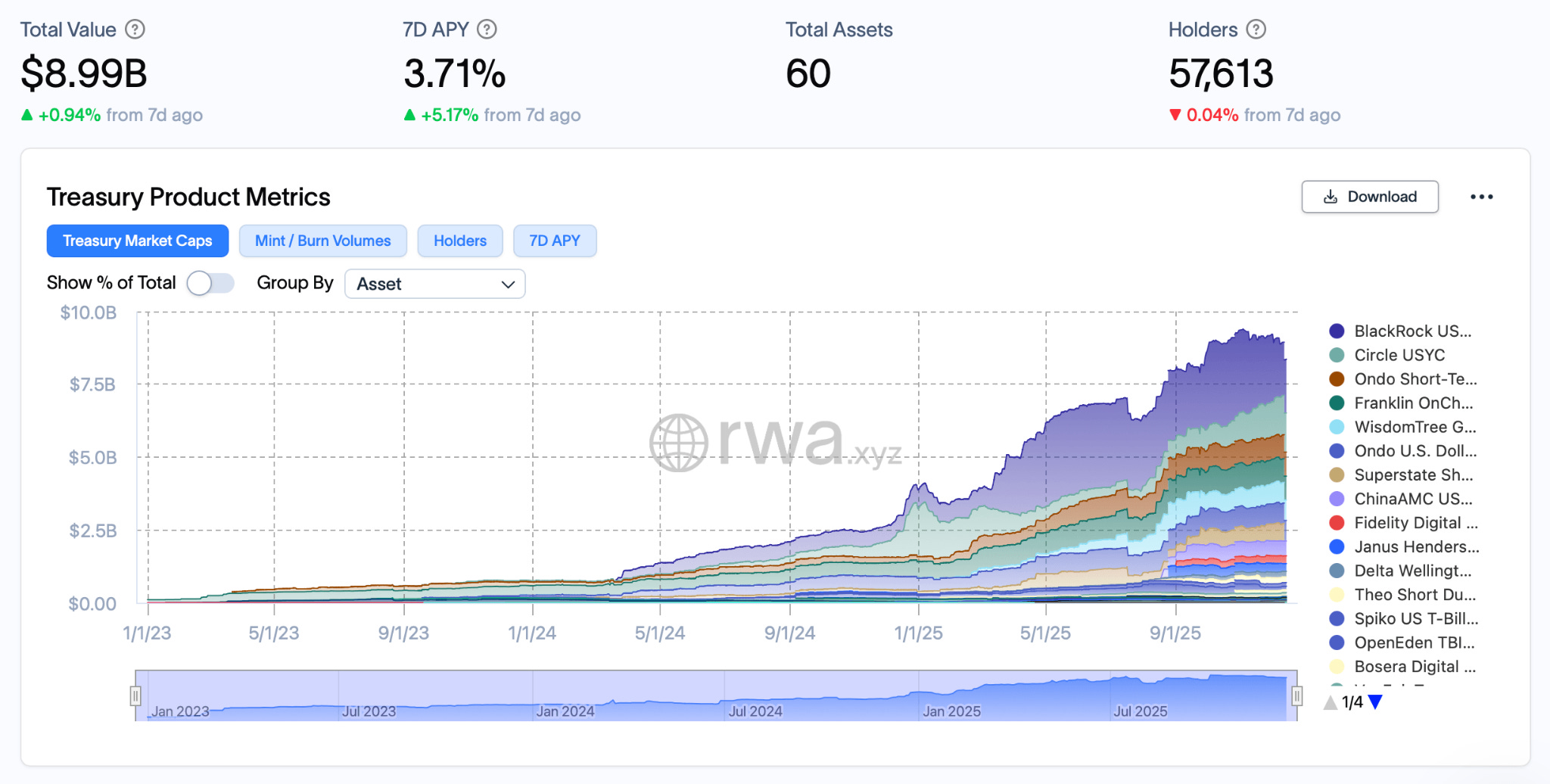
Grove Finance and OpenTrade turn reserves that would otherwise sit flat into onchain yield and credit infrastructure.
Settling at institutional scale
Tassat’s Lynq network connects 30+ institutional participants, including Fireblocks, Galaxy, and Wintermute, settling in seconds with more than $2.5 trillion in transaction history behind it. For fintechs that need a branded, regulated environment rather than shared infrastructure, AvaCloud makes it possible to launch a dedicated Avalanche L1 without building core infra from scratch.
APC Planning Checklist
UX: Aim to hide the chain from the end user entirely. APC partners cover most of the checkout flow: XKOVA or Wyopay for FRNT-based checkout, Rain for Visa card spending, Request Finance for invoicing and accounting integrations, and NHN KCP for sub-2-second QR settlement. Evaluate these against your specific checkout requirements before committing.
Regulation: Where possible, work with providers already operating under existing oversight rather than building compliance infrastructure from scratch. Anchorage Digital (custody), Paxos (issuance), and the Wyoming Stable Token Commission (FRNT) are examples within the APC bench worth evaluating.
Liquidity: Build a router that can select the right stablecoin per transaction based on corridor, cost, and availability. Consider USDC via Circle CCTP for general liquidity, FRNT for 24/7 settlement needs, NHN KCP’s won-pegged tokens for Korean corridors, and Agora, Paxos, or Ethena for more specialized use cases.
Security and Treasury: Deploy only audited contracts, regardless of provider. For custody, options include Anchorage Digital and Tassat’s Lynq network. For idle treasury balances, Grove Finance and OpenTrade are worth evaluating for yield generation.
Get Started
Visit avax.network/payments to explore the APC ecosystem.
Set up a Fuji testnet environment and deploy a simple payment flow this week.
Identify which APC member matches your specific problem. There’s a specialist for nearly every layer of the stack.
Reach out directly for pilots. The collective is still onboarding partners.
The APC’s value is in the specialization: issuance, checkout, custody, and treasury yield are each handled by a provider that’s already built for it. Builders get to spend their time on the payment product itself, not on re-solving problems the collective has already solved.
Dive into the Avalanche ecosystem today! Download the Core Wallet and unlock a world of seamless DeFi, NFTs, and more.
