



For farmers, a successful harvest doesn’t always translate into immediate financial security. Selling crops right after harvest can mean accepting lower prices, while storing them often leaves farmers needing cash to cover expenses.
India’s agricultural technology company Arya.ag has built a business around solving this problem. Through its warehouse network, farmers can store their produce and access financing against its value without immediately selling it.
Now, Arya.ag is working with Finternet to bring part of that financial infrastructure onto Avalanche, testing a system that could make grain ownership and collateral records easier for lenders to verify.
The initiative draws on a network holding approximately $2 billion in agricultural commodities, making it a notable example of how blockchain could support real-world assets beyond traditional financial markets.
A $2 Billion Network Built Around Agricultural Credit
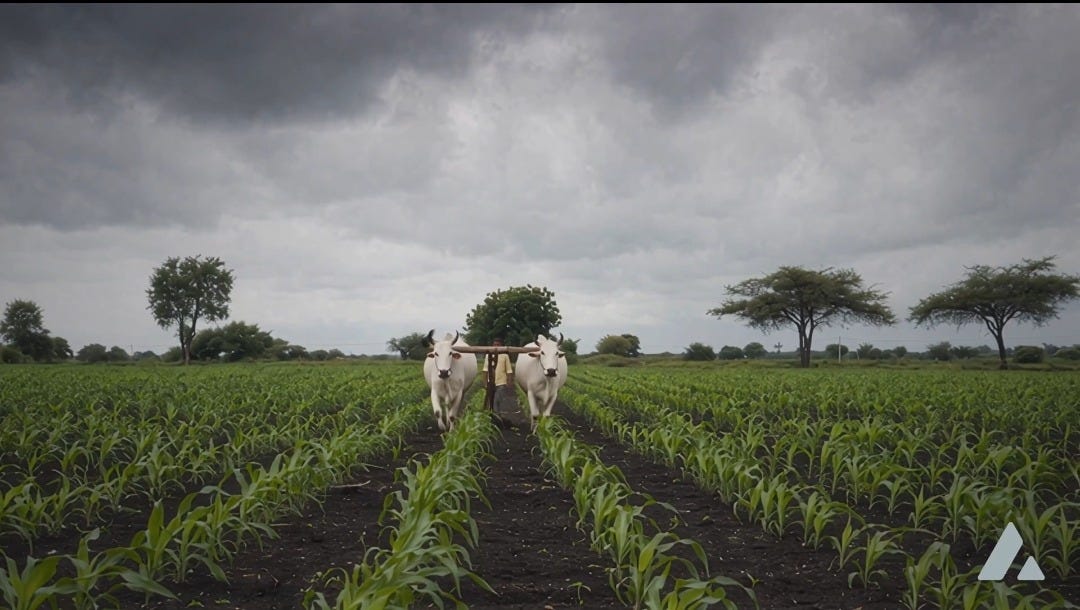
Arya.ag operates across approximately 12,000 warehouses in India, combining commodity storage, agricultural commerce and financing.
Its model addresses a longstanding challenge for farmers: accessing capital while retaining ownership of their harvest.
Through warehouse receipt financing, stored grain can serve as collateral for a loan. Farmers receive funds against their produce and can choose when to sell, rather than being forced to liquidate their crops immediately.
Arya.ag facilitates approximately $1.3 billion in agricultural financing annually, including around $230 million through its lending arm, Arya Dhan.
The scale of this existing operation is what makes its blockchain initiative particularly interesting. Arya.ag is exploring whether the information behind these loans can be shared and verified more efficiently across financial institutions.
Bringing Warehouse Receipts Onto Avalanche
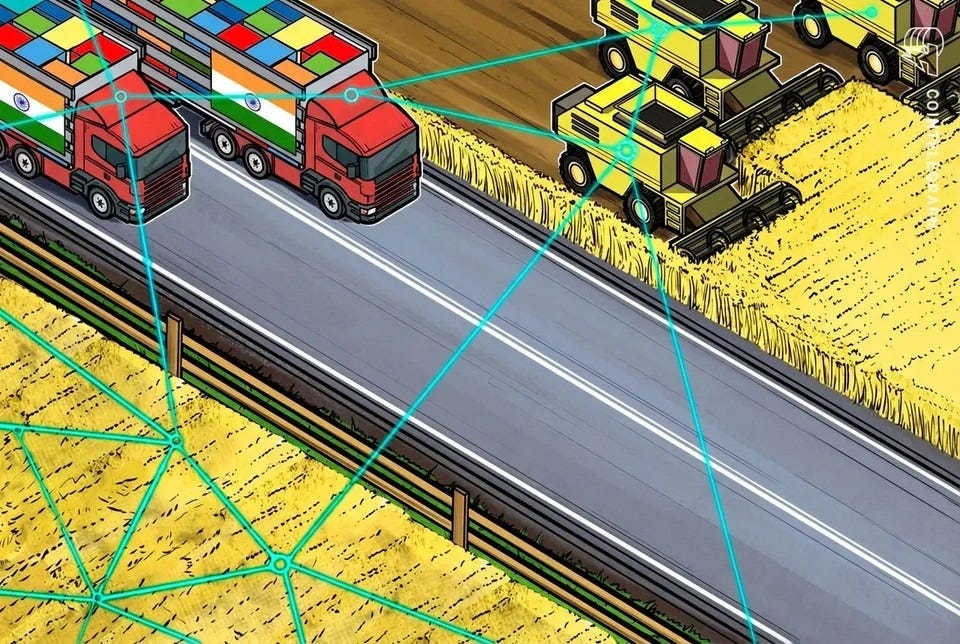
In September 2026, Arya.ag’s collaboration with Finternet introduced plans to use a dedicated Avalanche L1 for tokenized grain warehouse receipts.
The proposed system connects records covering stored commodities, ownership, warehouse information, insurance and existing loans.
For participating lenders, these records could provide a clearer view of the assets backing agricultural credit, including whether the same grain has already been pledged elsewhere.
According to Ava Labs India head Devika Mittal, Arya.ag operates the dedicated Avalanche L1, with plans to expand participation to other warehouse companies. Three major banks were also reported to be joining the initiative.
Finternet adds a broader financial infrastructure dimension. Its underlying vision, outlined in a 2024 Bank for International Settlements paper by Agustín Carstens and Nandan Nilekani, proposes interconnected financial ecosystems that make assets and services easier to access across institutions.
Arya.ag’s initiative applies a related approach to agricultural lending, where reliable information about physical commodities is essential.
Beyond Tokenization: What Comes Next?
Real-world asset tokenization is often associated with bonds, investment funds and private credit. Arya.ag’s initiative extends that conversation to agricultural commodities already supporting substantial lending activity.
Its potential value lies in making collateral information more accessible to lenders, reducing conflicting claims and improving coordination between warehouses and financial institutions.
The next milestone will be whether the system moves beyond testing into active use by participating lenders.
For Avalanche, the opportunity is significant: supporting financial infrastructure tied to physical assets and established economic activity.
If successful, Arya.ag’s approach could demonstrate how blockchain helps agricultural assets become more useful within existing credit markets, where the real measure of adoption is whether farmers and lenders experience a better financing process.
Dive into the Avalanche ecosystem today! Download the Core Wallet and unlock a world of seamless DeFi, NFTs, and more.