



When Japan’s largest security token platform moved house
On July 13, 2026, Progmat - Japan’s largest security token platform, backed by MUFG - announced the full migration of its digital securities portfolio to a dedicated Avalanche Layer 1. The move covered more than ¥452 billion, or roughly $2.7-2.8 billion, in tokenized real estate and corporate bonds.
This was not a pilot or an MOU. It was not a “strategic partnership” followed by silence. It was the complete transfer of live assets off Corda - R3’s distributed ledger long regarded as the safe choice for traditional finance - onto a dedicated Avalanche L1. That L1 is part of the Avalanche network and is EVM-compatible, but it is not the shared public C-Chain; it is a customizable environment with its own validator and compliance settings.
In a market where every blockchain positions itself as a venue for RWA, a full migration of this scale by a tightly regulated Japanese platform is a concrete data point. An institution operating in one of the more conservative financial markets moved live securities infrastructure onto Avalanche.
The rest of this article looks at what else has landed on Avalanche and which structural features may help explain the pattern.
Avalanche is no longer just a “fast L1”
Throughout recent years, Avalanche has hosted a wider mix of institutional asset types than speed and fee metrics alone would suggest.
Beyond Progmat, several other institutional players have moved assets onto the network:
Securitize became the largest RWA platform on Avalanche, with over $1.2 billion in tokenized assets (reaching $1.264B as of July 15, 2026).
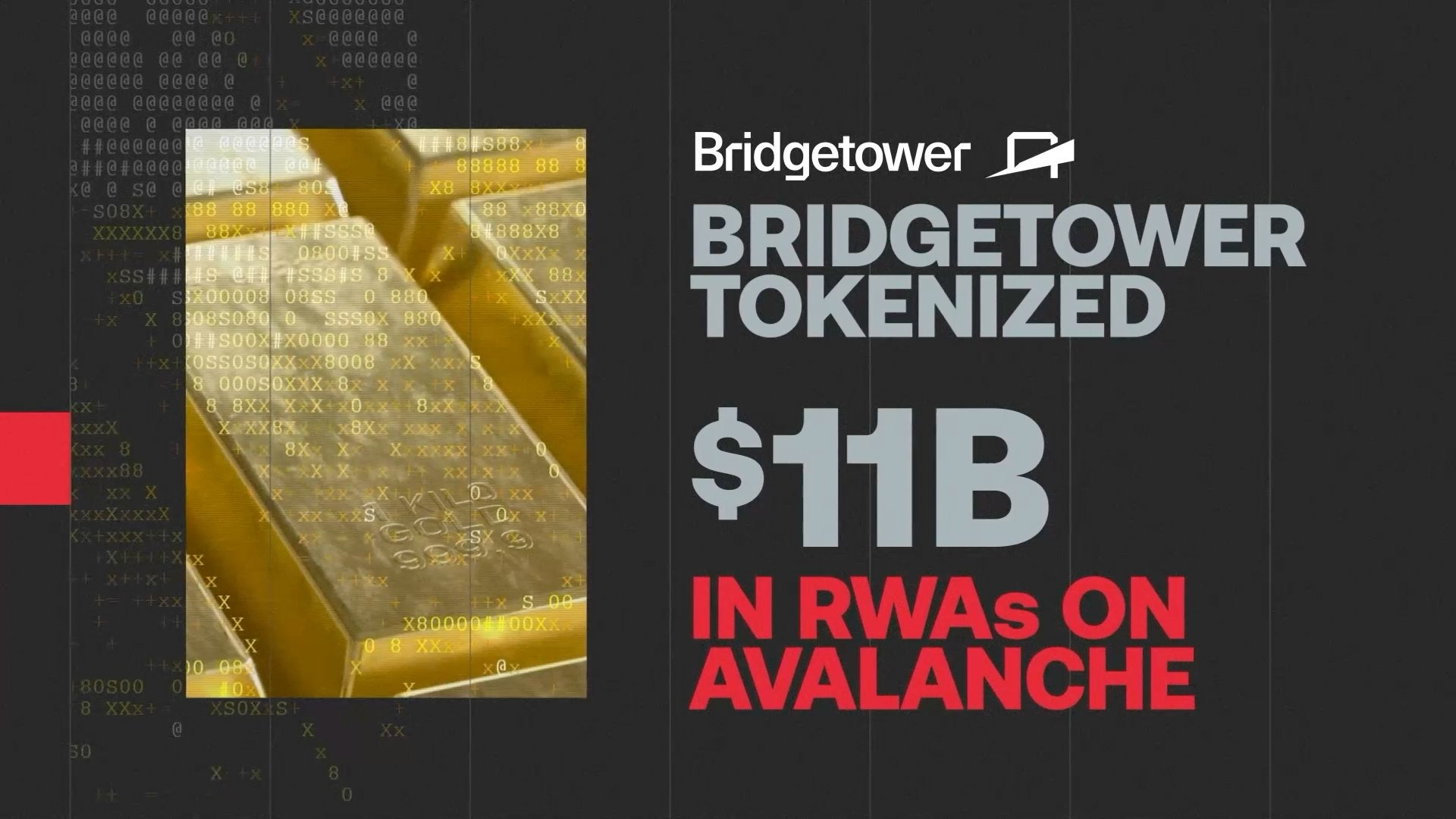
Bridgetower’s Arizona Copper-Gold project - reported at more than $11 billion in project value - is being tokenized on Avalanche.
Galaxy Digital issued its first CLO on Avalanche, anchored by a $50 million allocation from Grove.
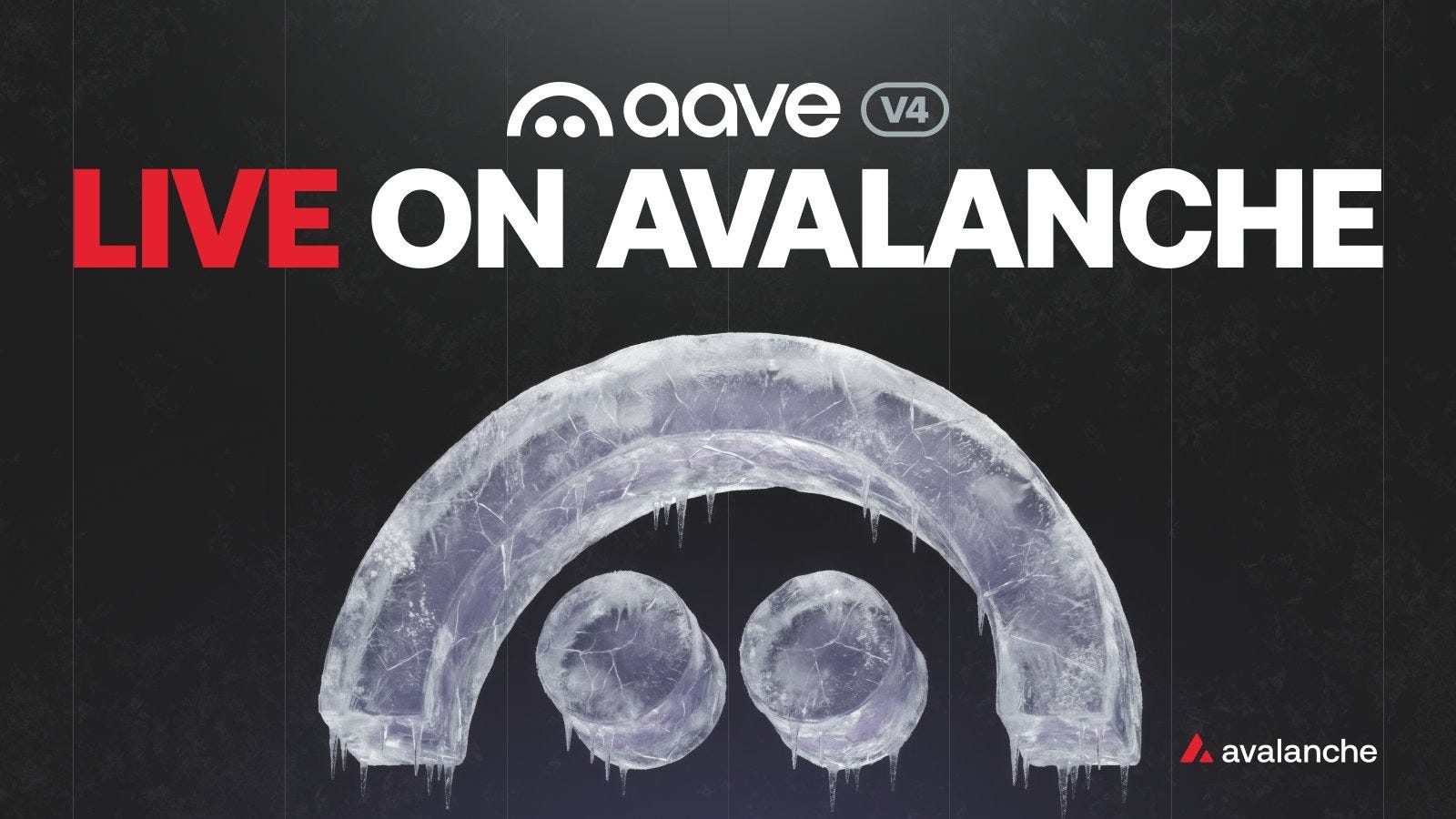
Aave V4 went live on Avalanche in July 2026 with a clear focus on RWA-backed lending.
The range of asset classes is at least as notable as the headline totals.
Selected institutional RWA deployments on Avalanche
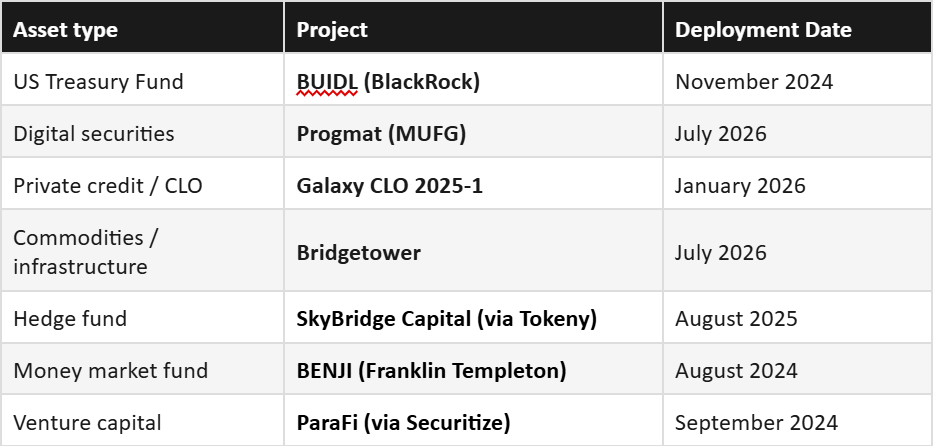
A few cases stand out:
BUIDL - rapid growth. BlackRock’s fund held $624.87 million on Avalanche as of May 25, 2026, then added $436 million in a single week to surpass $900 million by July. It became the largest RWA asset on the network.
Galaxy CLO - private credit onchain. On January 15, 2026, Galaxy closed its first tokenized CLO of $75 million on Avalanche, with roughly $50 million from Grove. This marked a shift from uniform, easy-to-price assets (T-bills) to more complex instruments that require underwriting. Higher risk, but a clearer sign of ecosystem maturity.
Bridgetower - The Arizona copper-gold project accounts for most of the reported $11 billion. However, most of this value is recorded as Represented Assets and does not trade freely onchain.
Why Avalanche became “Home to RWA”
Several design choices on Avalanche line up with requirements often cited by institutional issuers:
Custom L1s (formerly Subnets). Institutions can launch their own blockchains with permissioned validator sets, custom gas tokens, and tailored compliance rules, while remaining connected to the broader Avalanche ecosystem. Progmat’s migration used a dedicated L1 of this type.
Performance and cost. Sub-two-second finality and very low transaction fees suit the volume and settlement needs of institutional assets.
Operational certifications. AvaCloud holds SOC 1 and SOC 2 Type II certifications. The network has established relationships with major funds and can meet regulatory requirements across the United States, Japan, and Europe.
Unlike the model in which every application runs on a single shared chain, Avalanche lets each application or institution operate in its own environment while still benefiting from the liquidity and security of the main network.
What’s next
Avalanche has shown the ecosystem can host large scale RWA. The next step is turning them into instruments that are actually used onchain.
Three developments are worth watching:
1. From “onchain” to “used onchain”
Aave V4 has been live on Avalanche since July 2026 with its Hub & Spoke architecture. A dedicated RWA Hub is on the roadmap. If tokenized Treasuries, money market funds, and private credit become usable collateral, RWA will move from record keeping to working capital.
2. Japanese Government Bonds
After the ¥452 billion migration, Progmat has formed a working group to study tokenized Japanese Government Bonds combined with onchain repo. A core sovereign instrument designed for 24/7 settlement on public-compatible infrastructure would be a clearer signal than the platform migration alone.
3. Secondary liquidity remains the bottleneck
Many permissioned products (Progmat, Bridgetower, parts of SkyBridge) still restrict transfers. Bridgetower’s $11 billion deal sits mostly as Represented value, with near-zero trading volume. Avalanche will strengthen its position only if more assets move from “recorded onchain” to “transferable between wallets and usable in DeFi.”
Conclusion
Avalanche has demonstrated the ability to handle large scale, regulated RWA across multiple jurisdictions - from the United States and Japan to Europe.
From over $1.2 billion tokenized via Securitize to Progmat’s $2.8 billion migration, from $1.89 billion in Distributed value to more than $11 billion in Represented assets, Avalanche is becoming one of the most credible homes for real-world assets on blockchain.
The next phase is clear: turning that large pool of capital into actual onchain flow.
Dive into the Avalanche ecosystem today! Download the Core Wallet and unlock a world of seamless DeFi, NFTs, and more.