



For someone who hears about Avalanche for the first time, the C-Chain often appears to be the entire network. The reason is simple, this is usually the layer where users connect their wallets, send tokens, use applications, and interact with smart contracts. But Avalanche runs on more than one chain. According to the official Primary Network documentation of Avalanche, the network consists of three main chains, P-Chain, C-Chain and X-Chain, and the C-Chain is the smart contract layer among them.
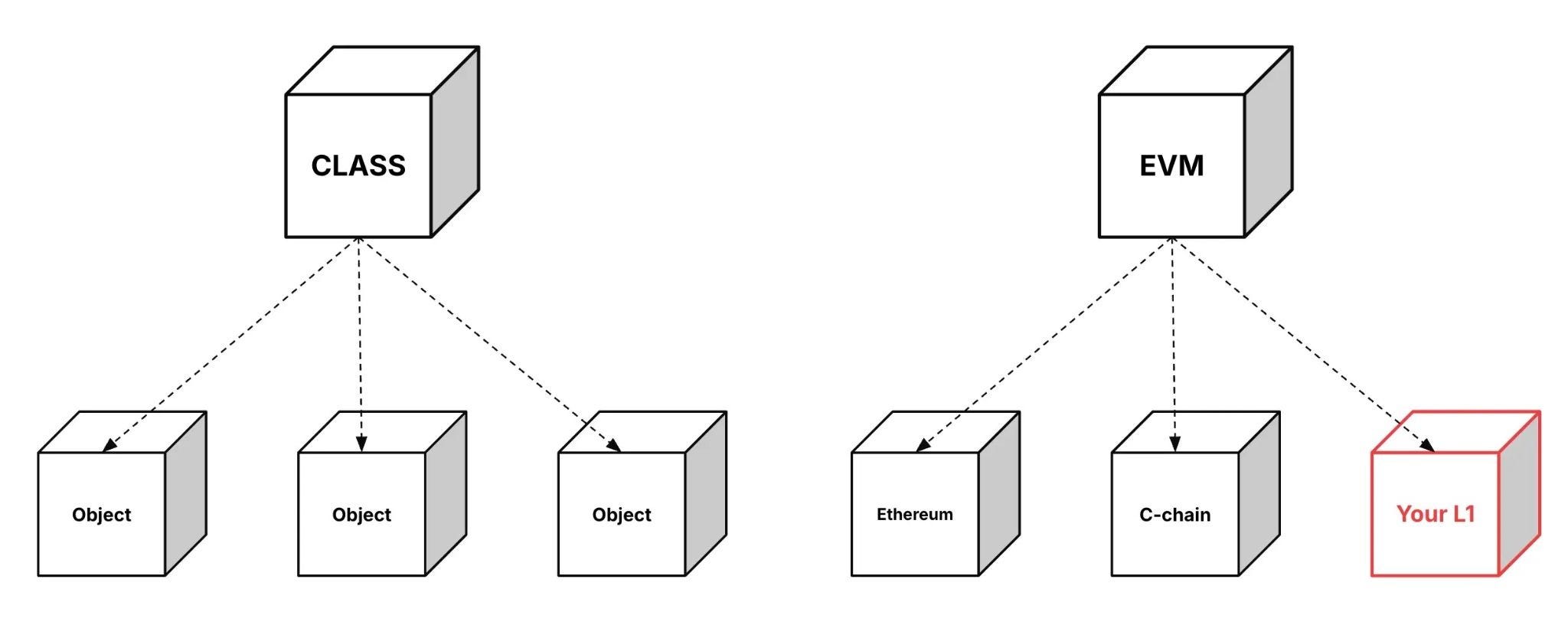
The same topic is described more clearly in the Avalanche support documentation. The C-Chain is the Contract Chain designed to run smart contracts compatible with the Ethereum Virtual Machine (EVM). In practice, almost everything a user does with an Avalanche application runs through this chain. Contracts written in Solidity are deployed here, and a significant part of users’ DeFi, NFT, gaming and token transactions takes place on the C-Chain.
What is the C-Chain Used For?
The focus of the C-Chain is to run smart contracts and user-oriented blockchain applications. For this reason, the most visible part of the application logic on Avalanche is here. Applications where transaction ordering is important, such as DEXs, lending protocols, stablecoin flows, NFT minting processes, and in-game contracts, naturally operate on the C-Chain.
This point matters because the official explanation describing the Snowman consensus specifically emphasizes that this structure is optimized for blockchains, with high throughput and a totally ordered model. When “transaction ordering” is critical for smart contracts, such a structure is not a random choice but a direct functional requirement.
The C-Chain is not used only for traditional dApps. For example, in the Circle CCTP integration, native USDC can be transferred between Avalanche and other networks. This shows that the C-Chain is not just an environment where contracts are deployed, but also a key component of payment and liquidity flows.
Institutional and Financial Use Cases
These capabilities also make the C-Chain relevant to institutional and financial applications. Potential use cases include stablecoin settlement, tokenized assets, treasury movements, payment infrastructure, and applications that need access to shared liquidity.
The important distinction is that the C-Chain is a shared and open application environment, while institutions that require their own validator set, access rules, or private operating model may choose to build a separate Avalanche L1. In this structure, the C-Chain can still serve as a source of liquidity, application infrastructure, or interoperability for Avalanche L1s.
This means that the C-Chain’s institutional relevance is not limited to institutions deploying their own chains. It can also function as a shared EVM environment connected to stablecoin, liquidity, custody, and application integrations.
Who Uses the C-Chain?
The C-Chain is mainly used by three groups. The first is developers coming from the Ethereum and EVM ecosystem. Because they can more easily transfer the contract logic and toolsets they are familiar with to Avalanche.
The second is end users. In the official explanation describing the differences between the X, P, and C-Chain, it is clearly stated that the C-Chain is supported by most EVM-compatible wallets and is the chain most frequently interacted with in dApps within the Avalanche ecosystem. For this reason, most moments when users say “I use Avalanche” actually take place on the C-Chain in practice.
The third group is infrastructure and liquidity layers. Wallets, bridges, stablecoin services, data providers, and application middlewares use the C-Chain as a common operating ground. This turns the C-Chain from being just a developer layer into the de facto application hub within Avalanche.
How is the C-Chain Different from the Other Two Chains?
The best way to understand the difference here is to separate the three chains by their roles.
The C-Chain is the execution layer where smart contracts and application logic run.
As seen in the explanation of the X-Chain, the X-Chain is designed for asset creation, asset exchange, and cross-chain asset transfers.
As described in the PlatformVM architecture documentation, the P-Chain manages validator records, staking, Avalanche L1 creation, and chain creation processes.
So the three chains split the work between them. The X-Chain carries the asset logic, and the P-Chain carries the network coordination and validator logic. The C-Chain is the layer where contracts live.
Why was the C-Chain Designed as a Separate Chain?
The main reason is that Avalanche was designed from the beginning with an architecture that separates responsibilities instead of compressing everything into a single chain. Smart contract execution, asset transfers, and validator management are not the same type of workload. Each chain runs its own virtual machine for this reason. The AvalancheGo architecture documentation lists PlatformVM on the P-Chain, Coreth on the C-Chain, and the AVM on the X-Chain.
This is why keeping the C-Chain separate matters. The EVM compatibility, transaction ordering, gas model, and stateful execution required by smart contracts are not considered on the same basis as asset transfers or staking operations. The Coreth Architecture page also explains that the C-Chain can communicate with the X and P-Chain through atomic import and export mechanisms. So the chains are separate, but not disconnected.
In other words, instead of saying “one chain should do everything,” Avalanche adopts the approach that “each task should operate in its own domain.” The C-Chain being designed separately is exactly the result of this choice.
Why is it Important for Avalanche?
The importance of the C-Chain for Avalanche is not only that many applications run on it. On the C-Chain Explorer page, this chain is directly defined as the liquidity hub of the Avalanche ecosystem. This expression matters because most of the user flow, liquidity, and application interaction within Avalanche is concentrated here.
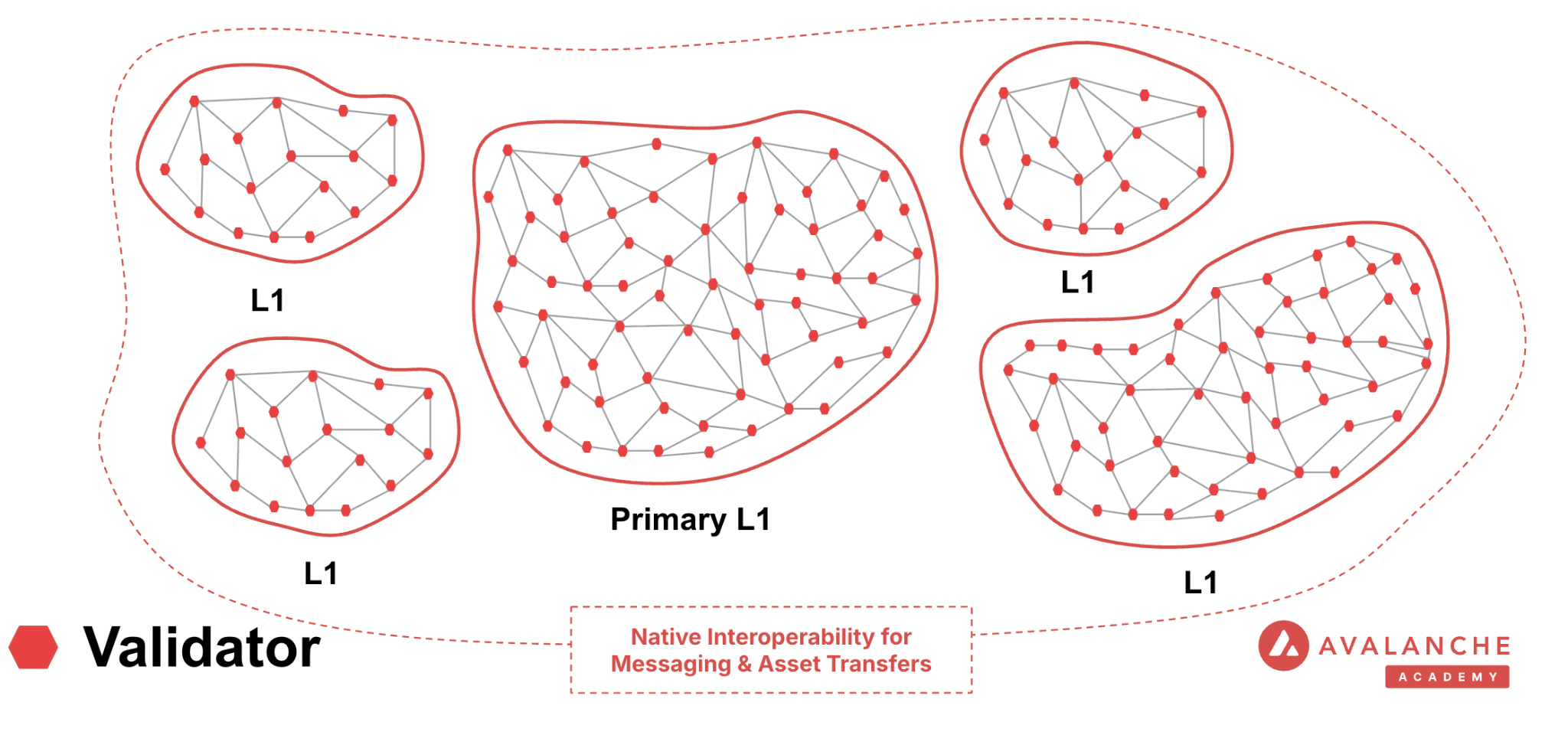
Moreover, the Tesseract integration page explains that Avalanche L1s can access the deep liquidity of the C-Chain without having to build their own DEXs. This makes the role of the C-Chain clearer. So the C-Chain carries an economic role alongside the application one. As new L1s emerge, it continues to be the shared liquidity and application ground they frequently interact with.
For this reason, understanding the C-Chain is one of the shortest ways to understand Avalanche. Because Avalanche’s “application layer,” “liquidity hub,” and “EVM entry point” largely converge here.
Conclusion
The C-Chain is the smart contract and application layer within Avalanche. What makes it important is not only that it is EVM-compatible, but that it has become the main area where application execution, liquidity, and user interaction are concentrated within the Avalanche architecture. While the X-Chain carries the asset logic and the P-Chain carries network coordination, the C-Chain forms the living application surface of this ecosystem. For this reason, the C-Chain is not just one of the technical components of Avalanche, but one of the most visible and most critical layers of the ecosystem in practice.
Technical Terms Mentioned in the Text
Coreth
It is the EVM implementation used by Avalanche to run the C-Chain.
Snowman
It is Avalanche’s consensus approach optimized for blockchains, linear and totally ordered.
Atomic Transfer
It is the mechanism that enables assets to be transferred between different chains within Avalanche under specific rules.
Liquidity Hub
It is the central layer where liquidity, user flow, and economic activity are concentrated.
Further Reading

Looking to join the global community live? Registration is now open for Avalanche Summit NYC. Secure your pass today for 2 days of exclusive keynotes and networking.

Great breakdown ⚡️
Looking forward to the next piece