



The Avalanche NFT scene between 2021 and 2023 was quite unique due to how closely knit it was, everyone knew everyone. Projects, marketplaces, communities, whales, and collectors were constantly intersecting, collaborating, and showing up in the same spaces. It was one big, overlapping NFT community.
We always got premium drama and entertainment on the timeline ever so often, from the amusing personalities, to the incredibly inside jokes and intense competition between different communities which kept the whole ecosystem alive and thriving.
Some Of The Iconic NFT Projects
While countless NFT projects launched on Avalanche over the years, let’s revisit a few of the most interesting ones in no particular order.
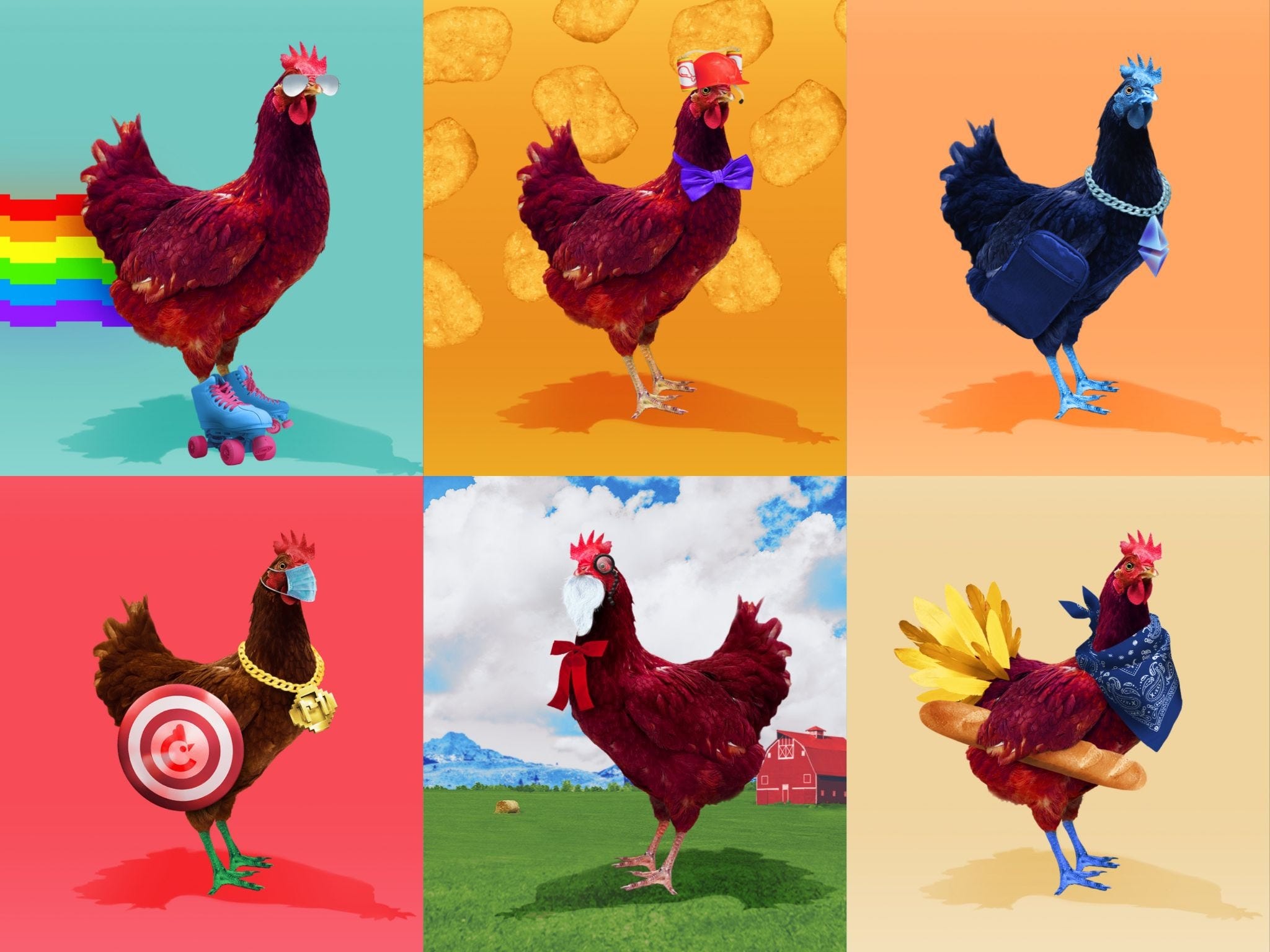
Chikn
Chikn was one of the most consistent and successful NFT projects ever seen on Avalanche.
Launched in 2021, Chikn is a utility NFT project designed more like a lightweight on-chain game rather than just a static collection. It operates a tri-tokenomics system that was very popular during the early NFT days. The system was intuitive and heavily engaged by a very large community, it was built around three tokens; $EGG, $FEED, and $FERT.
$EGG is produced by the Chikn NFT itself.
$FEED is used to grow (upgrade) the Chikn.
$FERT is used to boost farm efficiency.
What this meant was that when you bought a Chikn NFT and joined the community, you weren’t just doing it for the art but you also had the opportunity to participate in the game, earn, grow, and reinvest. At the time, for many participants who understood the mechanics early and played the loop effectively, it proved to be a net-positive experience.
Overall Chikn was great, it had a massive community, and contributed to NFT volume on Avalanche.
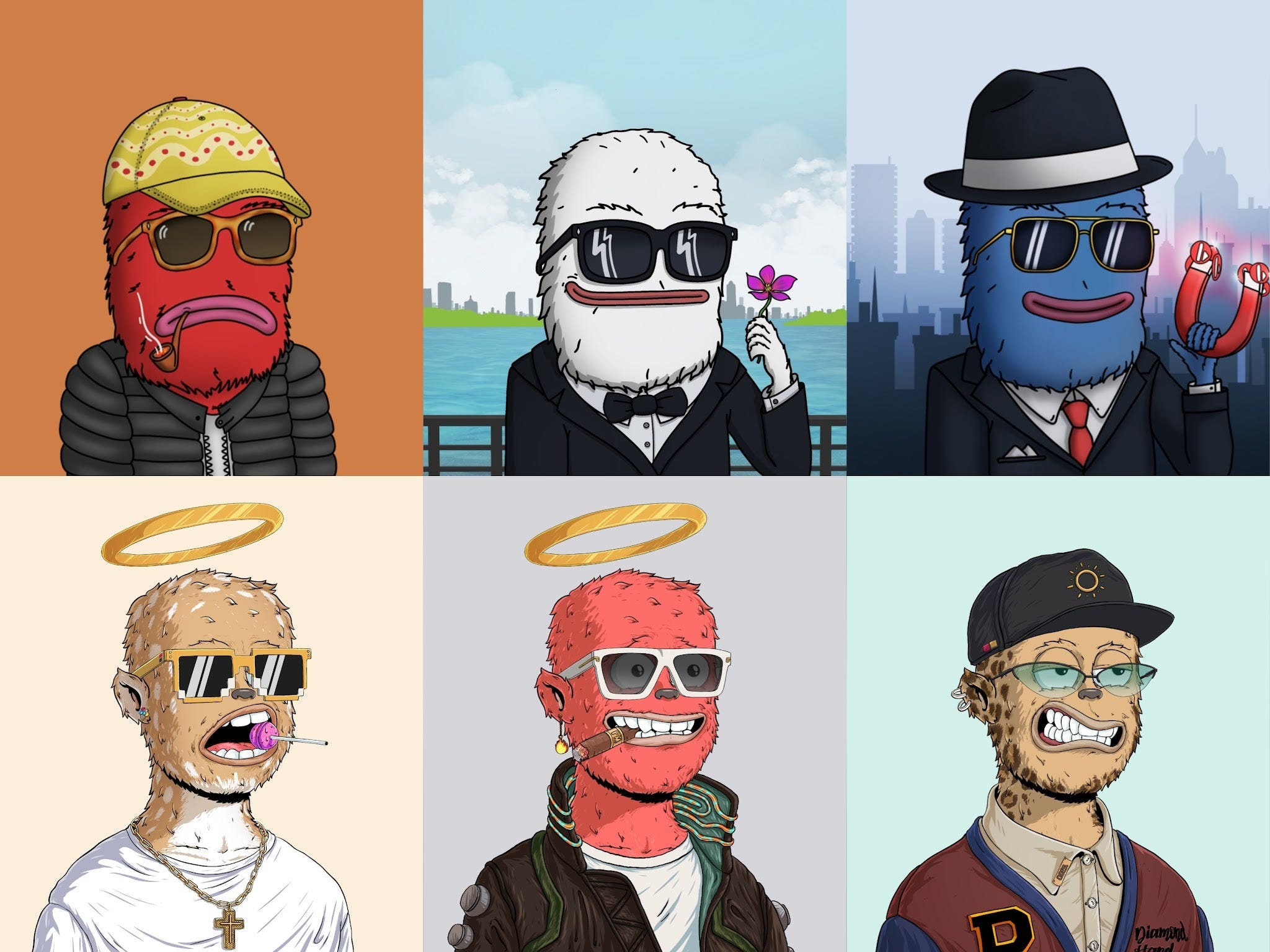
Avalanche Party Animals (APA) / OOPA
APA launched at a time when NFTs were very popular and in high demand. After its launch and reveal in late 2021 it quickly became one of the most popular NFT projects on Avalanche.
With a supply of 10,000 pieces, the art became very popular and for months, a lot of community members repped it as their PFP, and it really felt like one of the defining collections on the chain.
Over time though, the hype and interest started to fade and APA became more of a legacy and was always remembered as one of the greatest NFTs on Avalanche.
Fast forward a little over a year later, a lot had changed and it was a different era for Avalanche NFTs. Then something new was teased by the APA team. It was a reboot. A new attempt at building a premier NFT project on Avalanche, with a new name, new branding, new art, and somewhat new management.
Enter OOPA
The idea was simple: create a high-quality NFT project and aim to set the standard on Avalanche.
The reboot was initially met with a lot of mixed feelings and opinions, but the team behind it did a lot of work to show that the project deserved a chance. The quality was evident: strong traits, good accessories, and well-thought-out honoraries for top community members.
OOPA also introduced some notable features such as:
ERC-1155 token standard, allowing for dynamic NFTs
DAOs/sub-communities formed around traits, intended to be managed by the community with support from the core team.
As time went on, there were a lot of positives, the team kept pushing out quality content, top voices in the community were supportive, and OOPA had captured the mindshare of the whole chain.
Mint day came and OOPA minted out and launched with a clean, functional website where users could swap accessories, explore DAOs, and interact with the ecosystem.
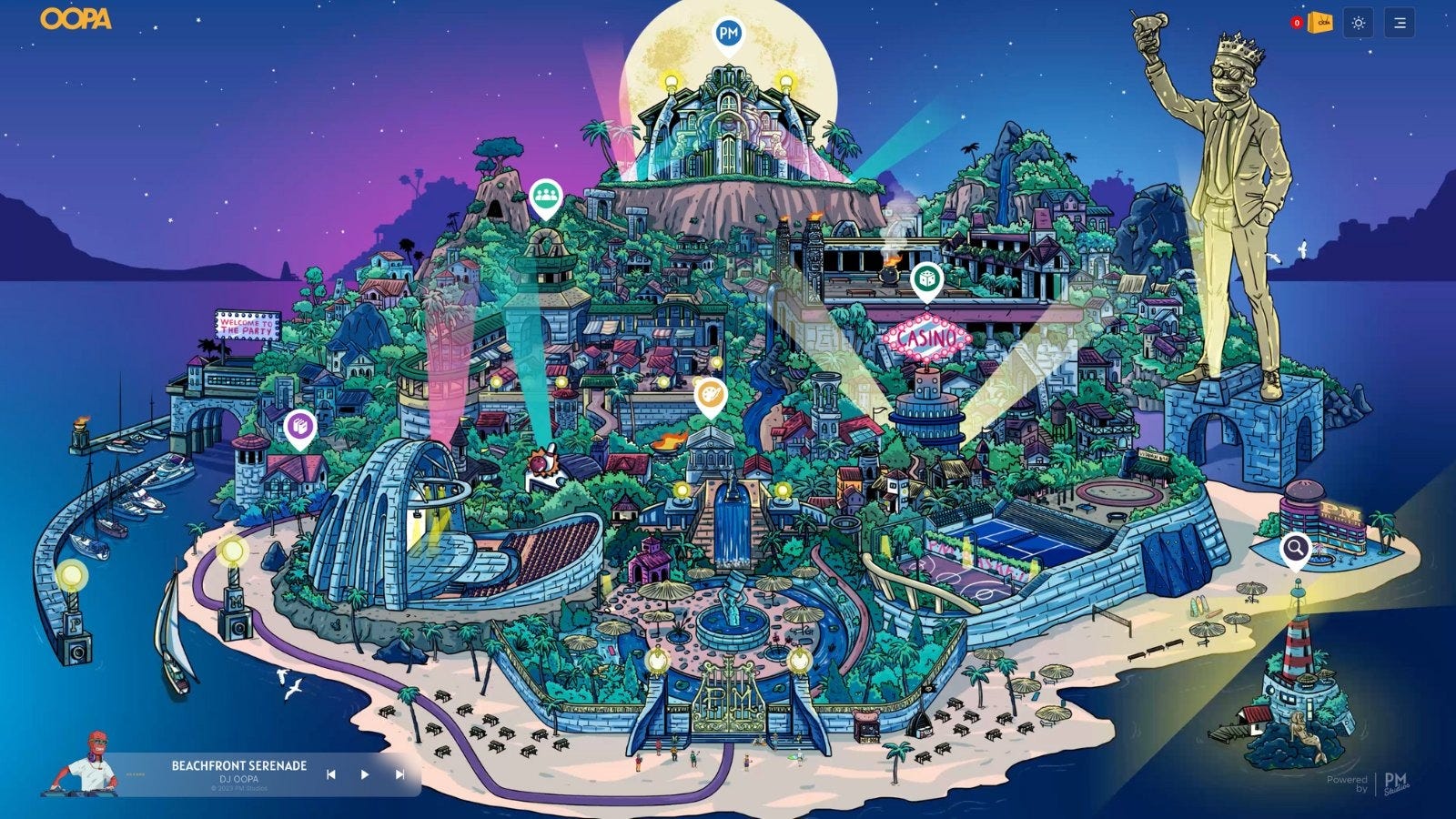
Things were solid, there was a ton of activity on the secondary market, DAOs were forming quickly, and people were actively using OOPA PFPs.
The team had a series of exciting collaborations with other projects and communities which majorly involved OOPA featuring custom traits or outfits inspired by whichever project was on the other side of the collaboration. This brought about a lot of interesting concepts.
In many ways, with its ambitious launch, quality art, and innovative experiments, OOPA pushed the boundaries of what NFT projects on Avalanche could become, leaving behind an unforgettable legacy.
RipperzNFT
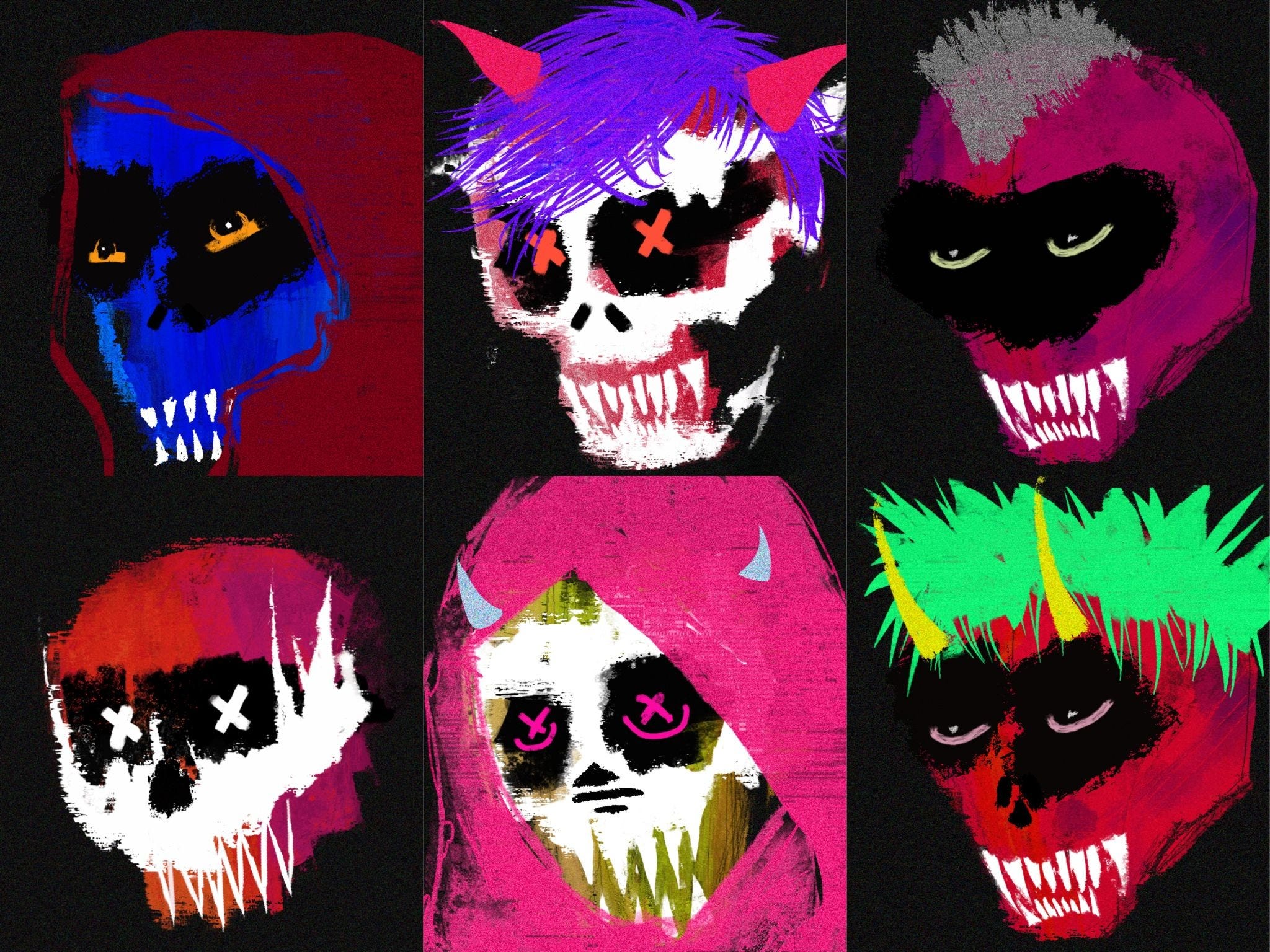
The first thing that comes to mind when you hear RipperzNFT is “glitch”, and a close second is “memes”. The community had incredible memes.
RipperzNFT was one of the many collections that emerged during the peak era of NFTs on Avalanche. Created by artist Esoteros, the collection stood out immediately for its unique glitch-inspired art style, which quickly attracted attention and built a passionate community around it.
Ripperz had an incredible vibe in its community, the project had a chaotic but energetic vibe. Think of nonstop memes, constant activity and games on Discord, heavy interaction across X/Twitter, and an overall culture that felt alive every day, that’s what Ripperz was.
Meme-making became a defining part of the project, with talented creators from within the community producing a steady stream of highly recognizable content themed around the collection’s glitchy aesthetic and humor.
At its peak, Ripperz built an online subculture around art, memes, and shared internet energy. The project also was home to major characters in the Avalanche NFT scene like Wrathtank and Disco who were huge influences in the community at the time.
While activity of the project itself has become less frequent, there still remain small factions of the movement that pop up in and around the project from time to time.
Smol Joes & Joe Studios
Imagine the biggest NFT marketplace at the time, launching its own NFT project with a scarce supply of only 100 pieces. As one would expect, that would automatically be one of the most premium, must-have NFTs.
Enter Smol Joes
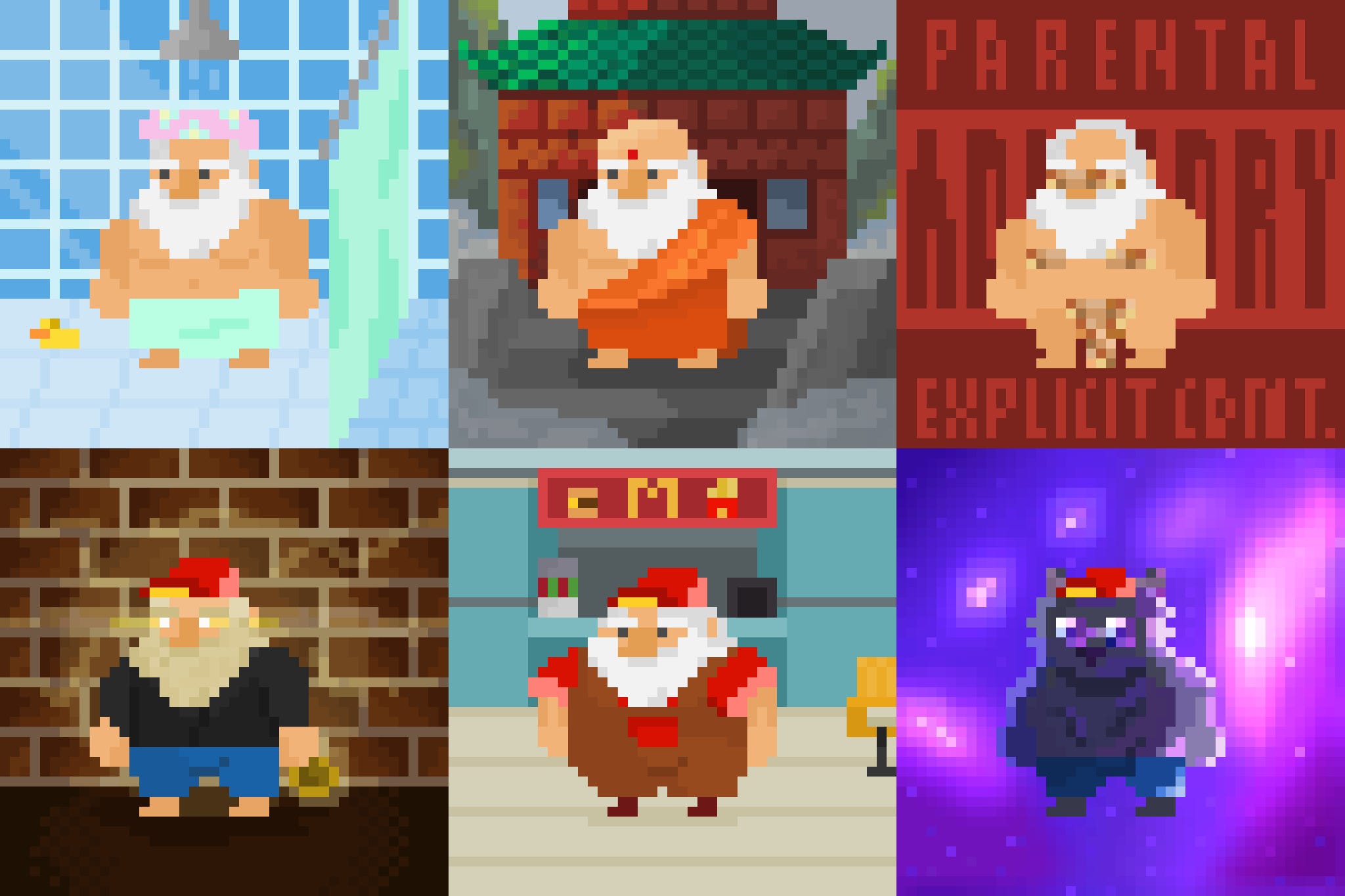
Smol Joes was one of the biggest NFTs on Avalanche due to its scarce supply and backing from a major NFT marketplace, Joepegs.
The NFT arm of Joepegs was known as Joe Studios and Smol Joes was the flagship. It had an elite community, with more than a few popular figures from the ecosystem actively repping the brand and trading the pieces. Owning a Smol Joe came with a lot of perks, it exposed its community to a wide range of opportunities, from guaranteed whitelist spots, to top group chats and private access, real-life events, and so many more things that made it such a premium collection.
While the Smol Joes community itself was very tight-knit, they had close ties to other collections within the Joe Studios bracket which meant a series of intersections and familiarity across the board making it one large community. Some of the other NFT projects include: Smol Creeps, Smol Land, Peons and a few others they were associated with. Joe Studios had relative success with a lot of their collections, depending on who you ask and the collections were handled separately from one another for the most part.
Despite having such a low supply, Smol Joes was extremely big and popular across the Avalanche NFT scene, outshining its sister collections in almost every aspect, and stood as a true titan of its time.
WolfiLand
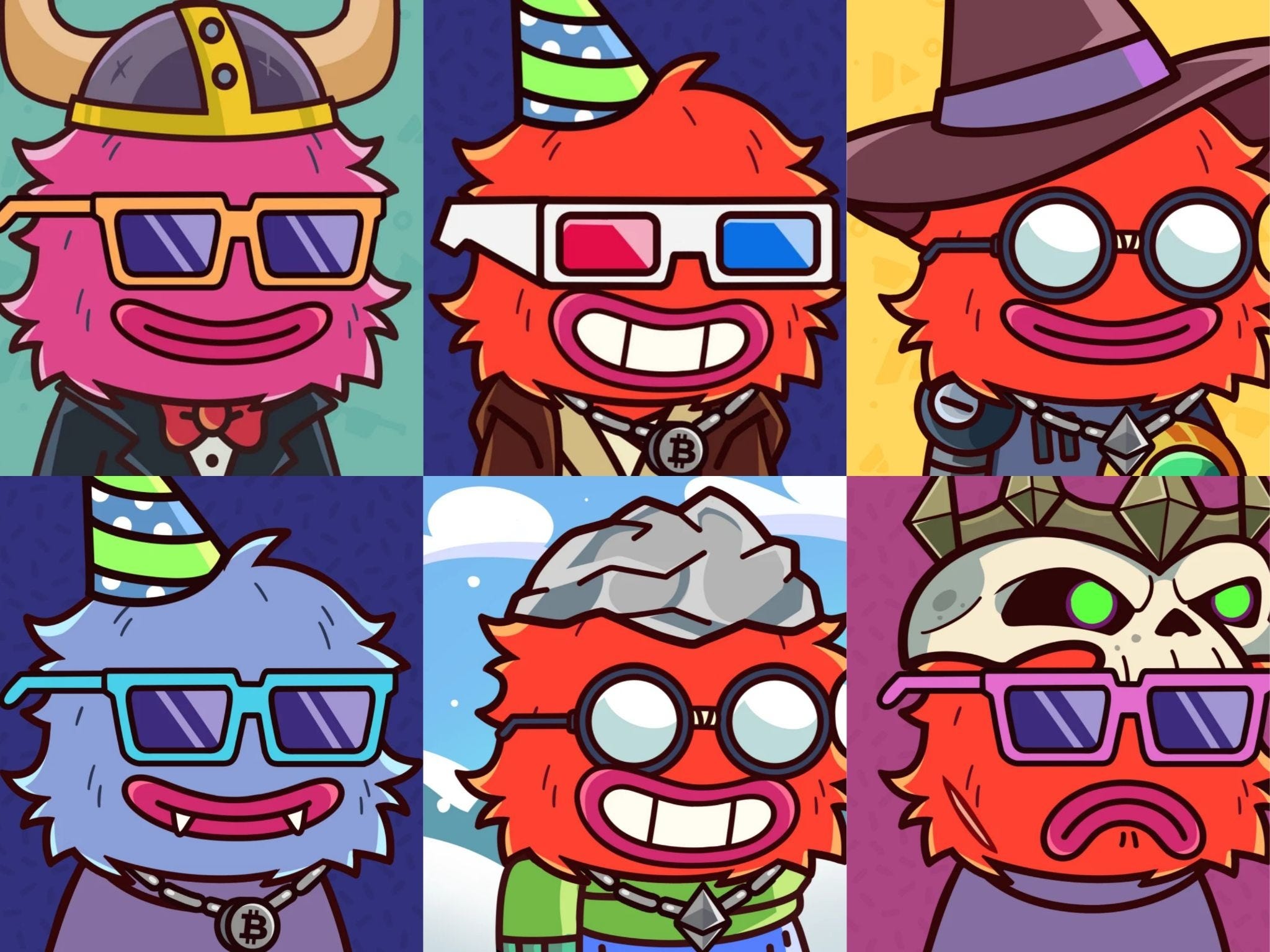
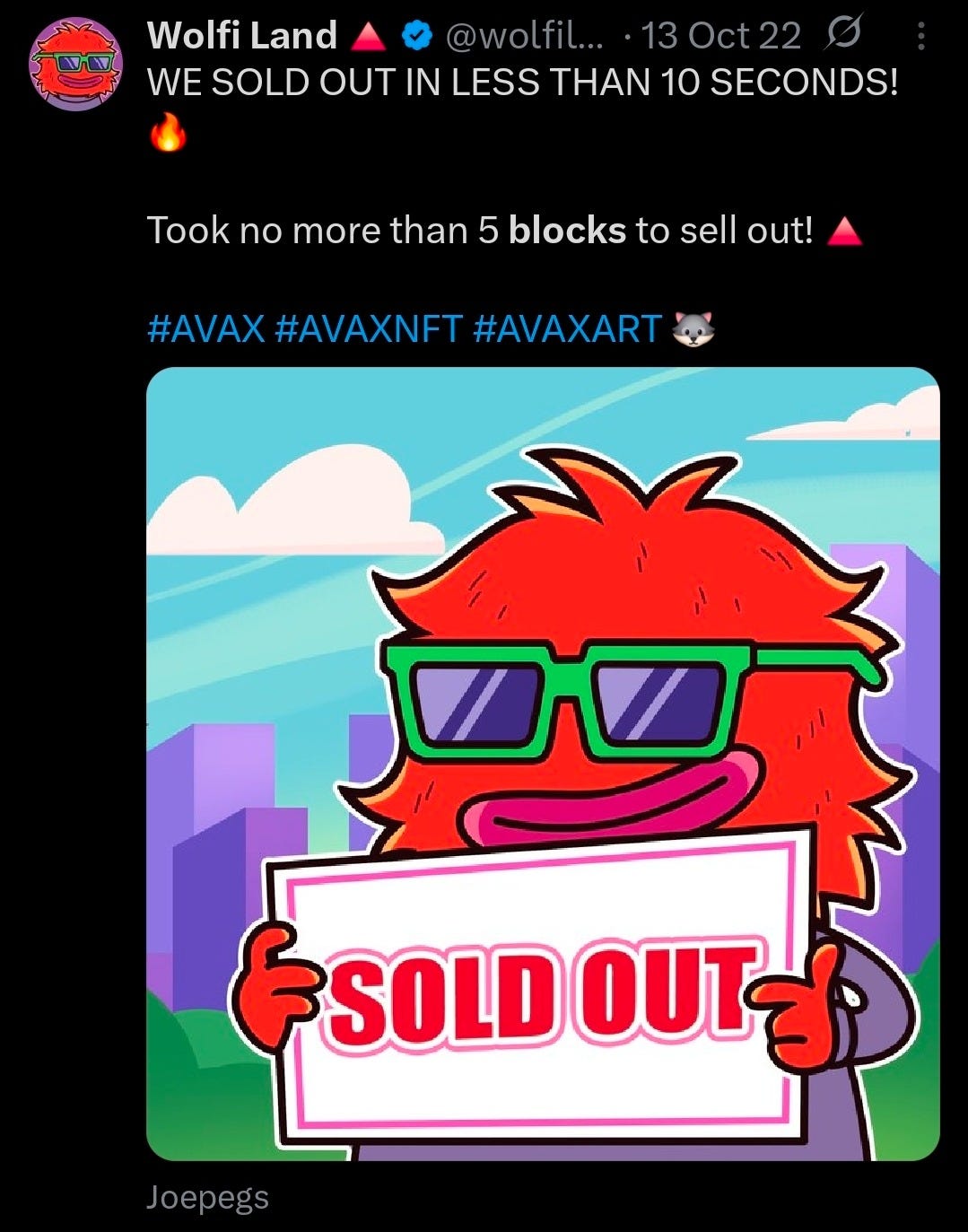
A project that had so much hype and attention that it sold out its 1000 piece collection in seconds, making it one of the fastest sellouts ever seen on Avalanche.
Wolfi is a vibrant collection that truly embodied the Avalanche spirit, as the art itself was inspired by the Avalanche mascot and the project aimed to become the NFT mascot for Avalanche. The art was created by Mar, and the project launched in late 2022.
Leading up to the launch, excitement and anticipation were at peak levels. Everyone wanted to get in, whether it was for the art or the potential profits. Minting the NFT became top priority for the average NFT enjoyer back then.
The mint was set on Joepegs, and the days leading up to it were filled with activities and constant conversations across the timeline. Essentially, going into the mint, everyone involved knew how important minting the NFT was.
Fast forward to mint day, the collection sold out in less than 10 seconds. Following that was insane price action and volume on the open market, while the timeline got flooded with discussion about the project.
Wolfi would later go on to release a Meme Gallery, which had the community extremely engaged. It was basically a website filled with tons of fun memes that were current and relatable for that era. This strengthened the community even more because the memes were heavily shared by holders and supporters, and some of them remain relevant and in use to this day.
ChadDoge / Supers
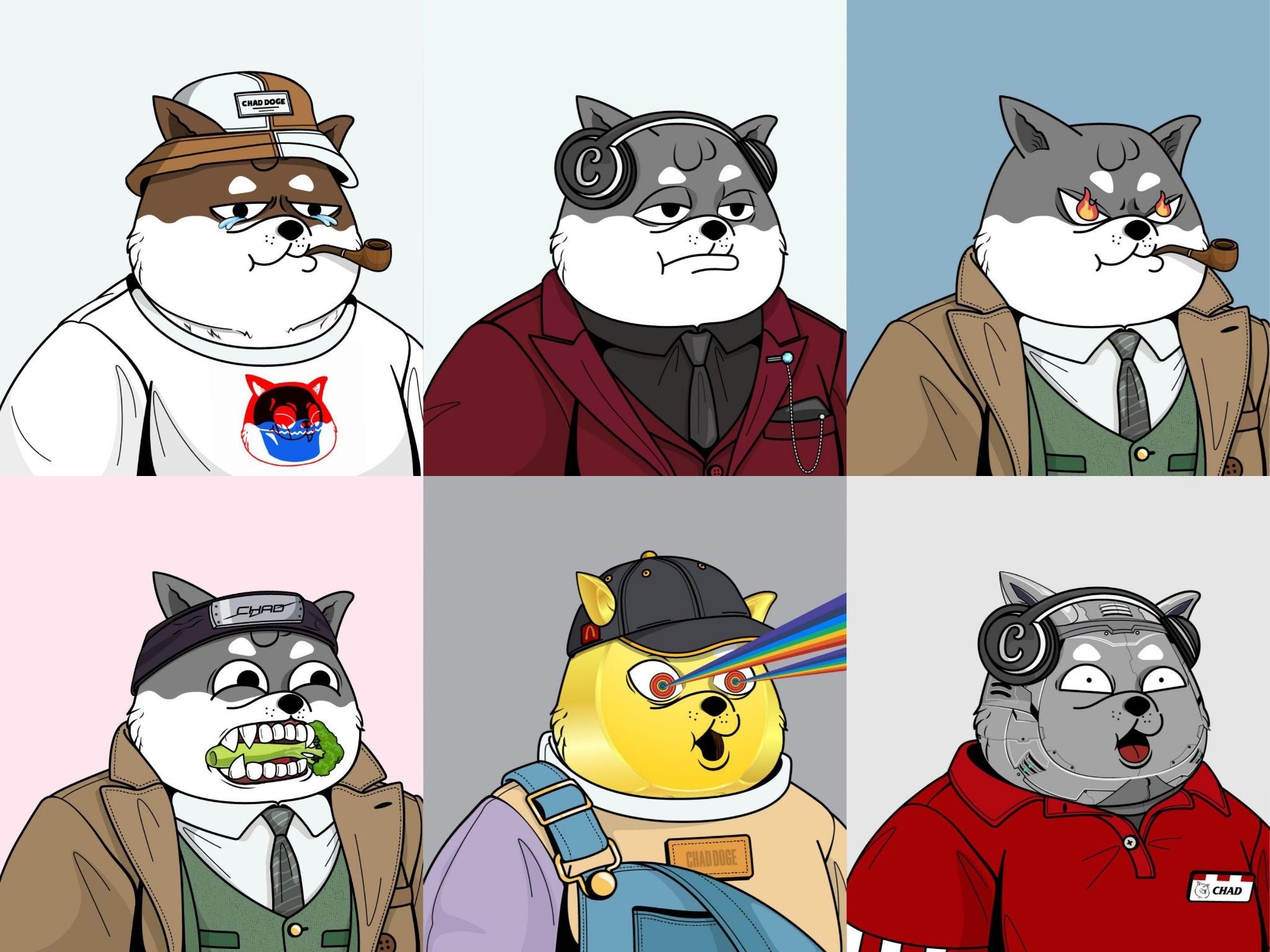
In everyday life we all have favourites, color, food and many more. As for NFTs on Avalanche, ChadDoge was the favourite child. It was safe, it was loved by everyone, and it had an incredible team and community behind it.
ChadDoge was a typical NFT project on the C-Chain: great community, quality art, and very active within the ecosystem. If someone was entering the Avalanche ecosystem for the first time, ChadDoge was the NFT to recommend.
The community was characterized by a high output of content, collaborations, and engagement. A lot of that quality was largely attributed to one person at the time, the community manager Stupifff. He was basically the soul of the ChadDoge community, known by everyone and adored by the holders.
ChadDoge also had great relationships with several other projects and individuals within the Avalanche NFT ecosystem, which positioned the community to be part of almost every opportunity available at the time.
Another major aspect of the project was the news and update content they produced. This came in the form of fun animations featuring the NFT character acting as a news reporter, updating everyone on the latest happenings within the Avalanche ecosystem. The series became very popular and was well received by the community.
The Second Collection
Along the line, the project launched something called ChadDoge Supers, which was basically a secondary collection for the project. The idea behind it was upgraded art, a mutated and “super” version of the original base art.
The new collection got people excited. After all, what could be better than a trusted project with a strong track record launching something new? The art was also very good and exciting.
The collection had a successful launch, and the reveal process was quite intuitive and fun. You basically received a sci-fi themed capsule NFT which you would use to mutate your regular ChadDoge NFT, followed by a cool animation showing it transforming into the Super version.
The timeline loved it, and just like with the original collection, it continued as a balanced project that kept its community happy.
As a whole package of quality art, community-first approach, creative content, and trusted leadership, ChadDoge secured its status as a solid pillar of the Avalanche NFT ecosystem.
Morfs
You may or may not have heard of Cynical Hate DAO (CHD), but if you have, then you’ve probably also heard of Morfs. While Morfs wasn’t created or managed by CHD, the two entities became deeply intertwined during a defining period of Avalanche NFTs.
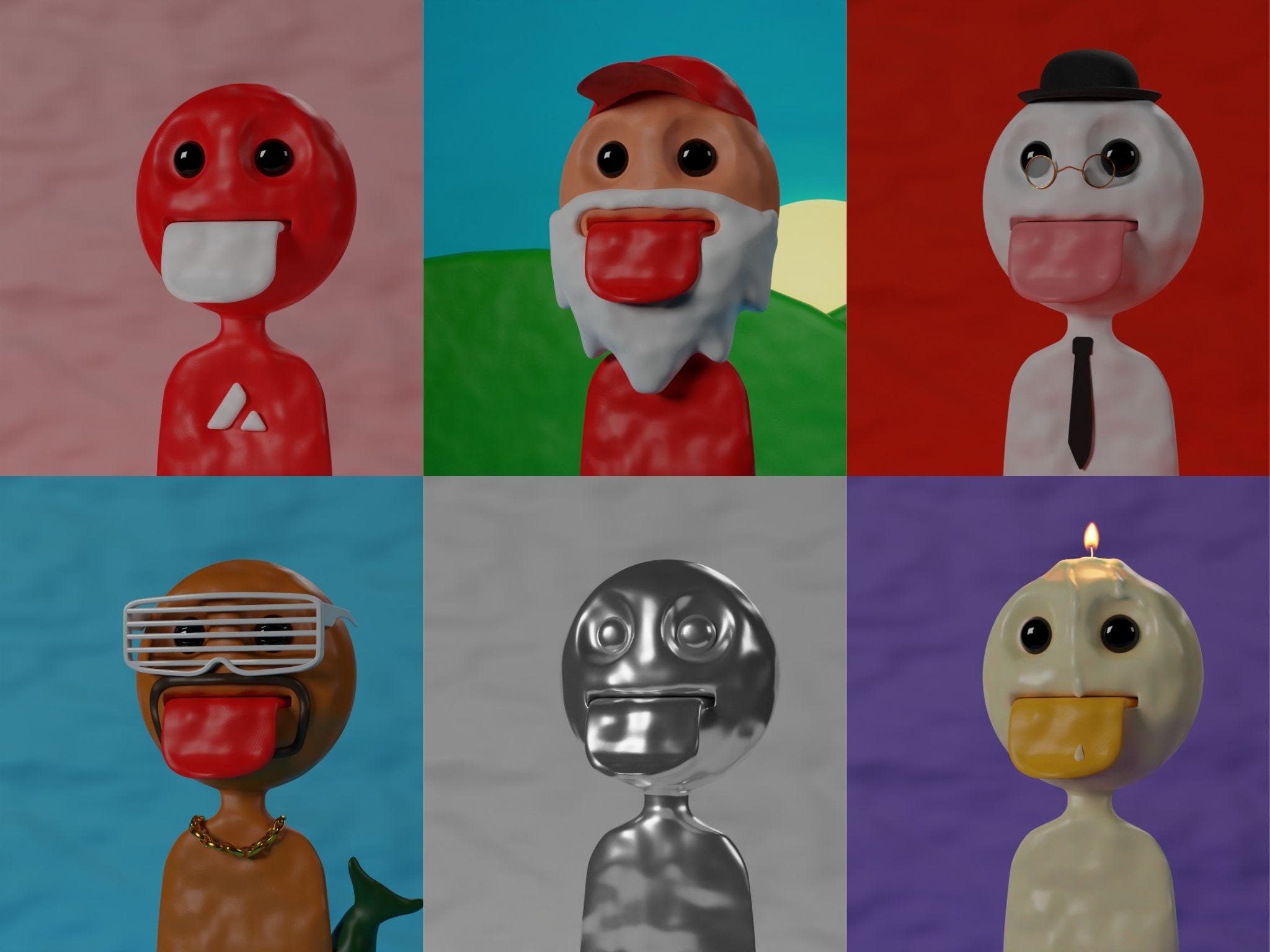
Morfs is a limited 100-piece collection created by 3D artist Hurrrrrrrr, built around a distinctive clay-like art style that immediately stood out on the chain at the time. Beyond the quality and uniqueness of the art itself, the project came to represent an era on Avalanche where CHD was very involved in the NFT conversation and culture surrounding the ecosystem.
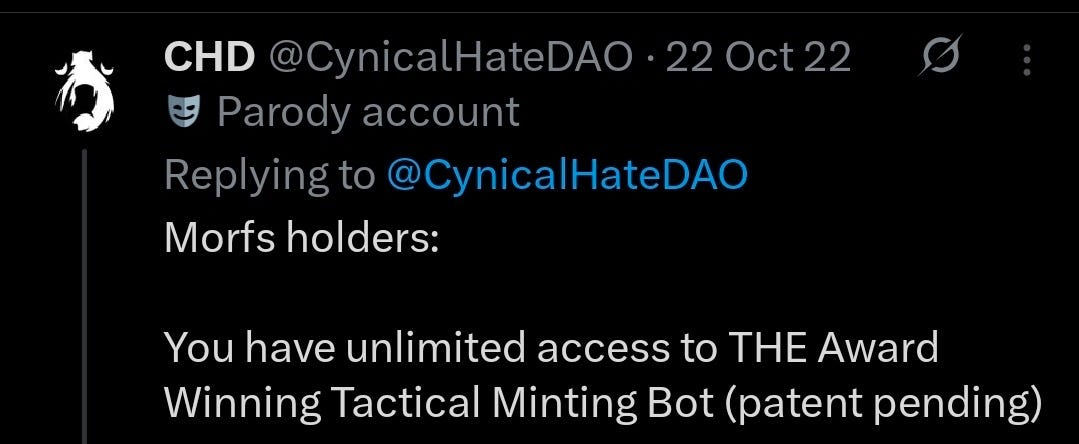
Over time, Morfs became somewhat of an unofficial mascot for CHD, with the DAO occasionally providing utility and value to holders. The most notable example was access to minting bots, which gave Morfs holders a major advantage during competitive launches.
Beyond CHD
Beyond all the CHD associations, Morfs was primarily driven by Hurrrrrrrr’s consistency in artistic output. The artist remained highly engaged with both the collection and its community, constantly releasing high-quality 3D renders and visuals. Sometimes these pieces expanded on the Morfs universe itself, while other times they acted as commentary on whatever conversations or narratives were dominating Avalanche at the time. That constant output kept the collection popular and culturally relevant far beyond what its tiny 100-piece supply would normally suggest.
Morfs ultimately became more than just another Avalanche NFT collection. It captured a very specific atmosphere and moment in the ecosystem’s history, one heavily shaped by the enigmatic presence of CHD.
Dokyo
Culture, lore, storytelling, premium art, and branding, all of these were things Dokyo stood for, and they planned to deliver it all through this unique NFT collection founded by Brando.
Dokyo emerged during the later evolution of Avalanche NFTs, at a time when the ecosystem seemed to be craving something of higher quality.
Dokyo arrived with an intriguing sense of mystery, using cryptic posts every now and then as they slowly introduced themselves to the ecosystem. It was exciting and it made the majority curious. As the rollout continued, it was revealed that Dokyo was the start of a broader initiative aimed at cultivating a culture of high-quality NFTs on Avalanche, so it had a lot of strong backing at the time.
Dokyo grew rapidly in popularity and was clearly leading a charge to improve the overall outlook of NFTs on Avalanche. It brought in new faces, a lot of engagement, and generally created a positive atmosphere around NFTs on Avalanche again.
As expected, mint day arrived and the launch was very successful. The project’s launch also coincided with a campaign on Hyperspace, an NFT marketplace that was incentivizing NFT trading at the time, so Dokyo became the obvious collection to trade and volume exploded.
The Art
The art itself was one of the biggest selling points of the project. Leading up to launch, the team had already displayed excellence in the branding and content they produced, so expectations for the art were high.
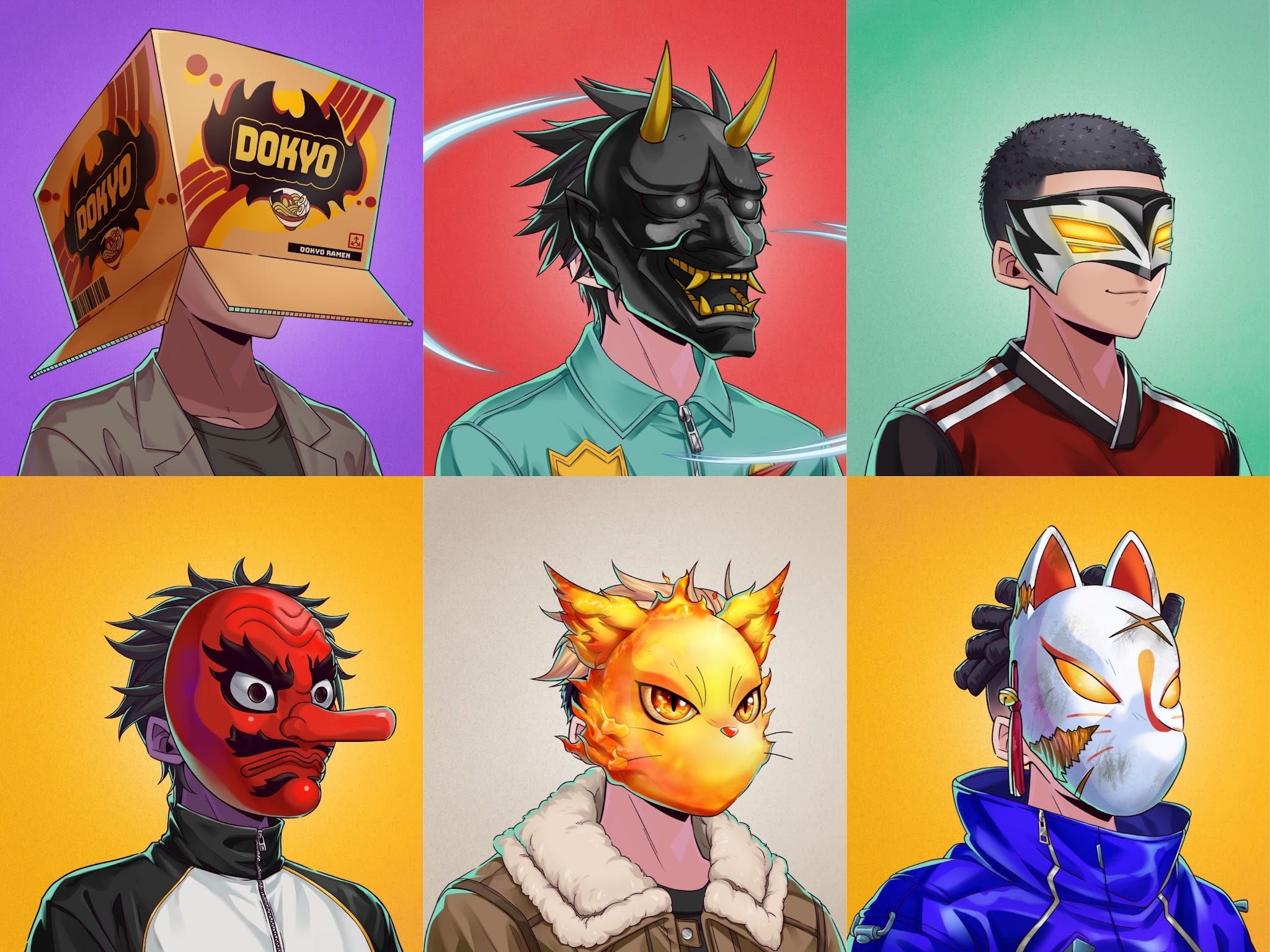
They took a unique approach by making faceless PFP NFTs, or more accurately, masked characters. Every piece in the collection featured vibrant masks covering the faces of the characters, and that became the defining theme of the collection.
The concept was well received, and the community quickly got attached to the art style. A lot of people even began collecting certain masks. Over time, that culture grew stronger, and some masks became highly desirable, affecting prices on the open market and making trading within the collection very interesting.
At its height, Dokyo actually hit the #1 spot for 24-hour trading volume across all blockchains globally, putting a ton of new eyes on the Avalanche scene. Even though the momentum eventually faded, that crazy run showed what the Avax community is capable of when everyone rallies behind a project. Ultimately, it proved that the real magic of Dokyo didn’t come from the team who started it, but from the collectors who ran with it.
Ferdy/Ferdy Frens
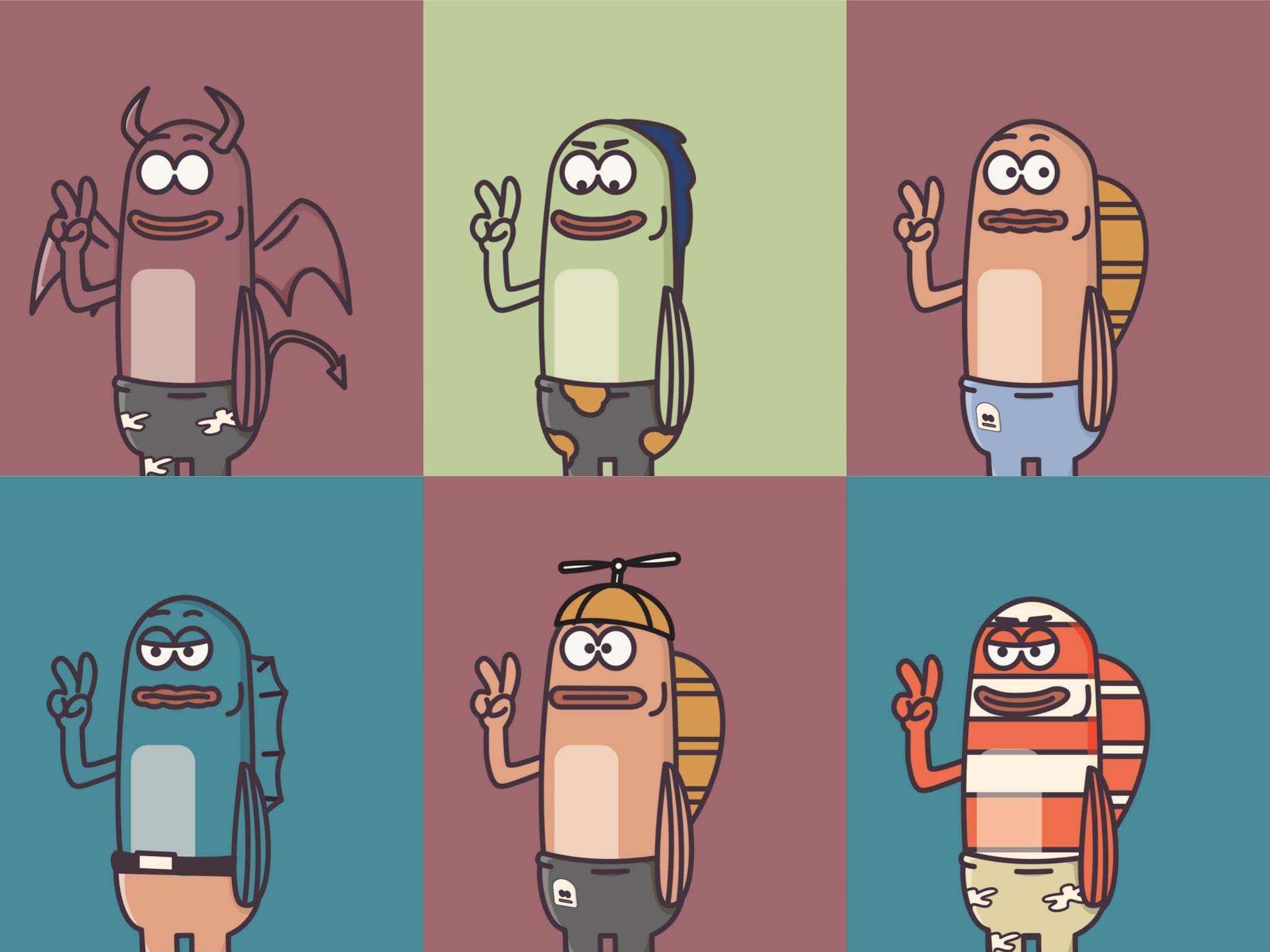
This is one of the most unique and interesting origins of any project on Avalanche. What started as nothing more than pure vibes somehow evolved into a full-blown NFT empire.
To understand it properly, you have to go back to the very beginning.
Origin Story
The story starts with an Avalanche community member known as Momind, who one day randomly began giving away NFTs from an abandoned collection to friends and followers. Momind apparently found the weird art style amusing enough to scoop up a large number of pieces from the 300-piece collection.
At first, it was just a small inside joke between him and a handful of people he had shared the NFTs with. Gradually things started to escalate, more people began liking the art and jokes around it.
Soon, the floor price began climbing, and at the same time Momind started pushing out increasingly chaotic memes using the project’s art style, the exact thing that had drawn people in initially. More memes followed, with each new one somehow more unhinged than the last, and the culture surrounding the project began growing faster than anyone expected.
The Turning Point
Momind announced that he had officially acquired the project and that ownership of the contracts had been transferred to him. Shortly after, respected members of the Avalanche community began visibly aligning themselves with the project through development, management, and support roles.
This sequence of events sent the collection into an absolute frenzy. Prices exploded, volume surged, and the entire ecosystem suddenly became obsessed with what the project was evolving into. The meme culture that had originally fueled the movement only became bigger from there.
Eventually, a dedicated website gallery was created to showcase the memes being produced, and it was constantly updated. At that point, the memes had become recognizable across the entire Avalanche ecosystem.
Beyond NFTs
Over time, the project started evolving beyond just NFTs. The team launched FerdyBet, which has now become a full-scale gambling platform featuring a wide range of games to play. The platform proved to be a success and remains active today.
The ecosystem also expanded with the creation of FerdyFrens, a much larger 5,000-piece collection designed to grow the community while maintaining the same chaotic and recognizable artistic identity that made the original collection iconic.
What makes the entire story memorable is that it began with an abandoned collection, weird art, unhinged memes, and a community that decided to rally behind pure energy and culture until it transformed into something much bigger. A cultural phenomenon.
Zebruhs
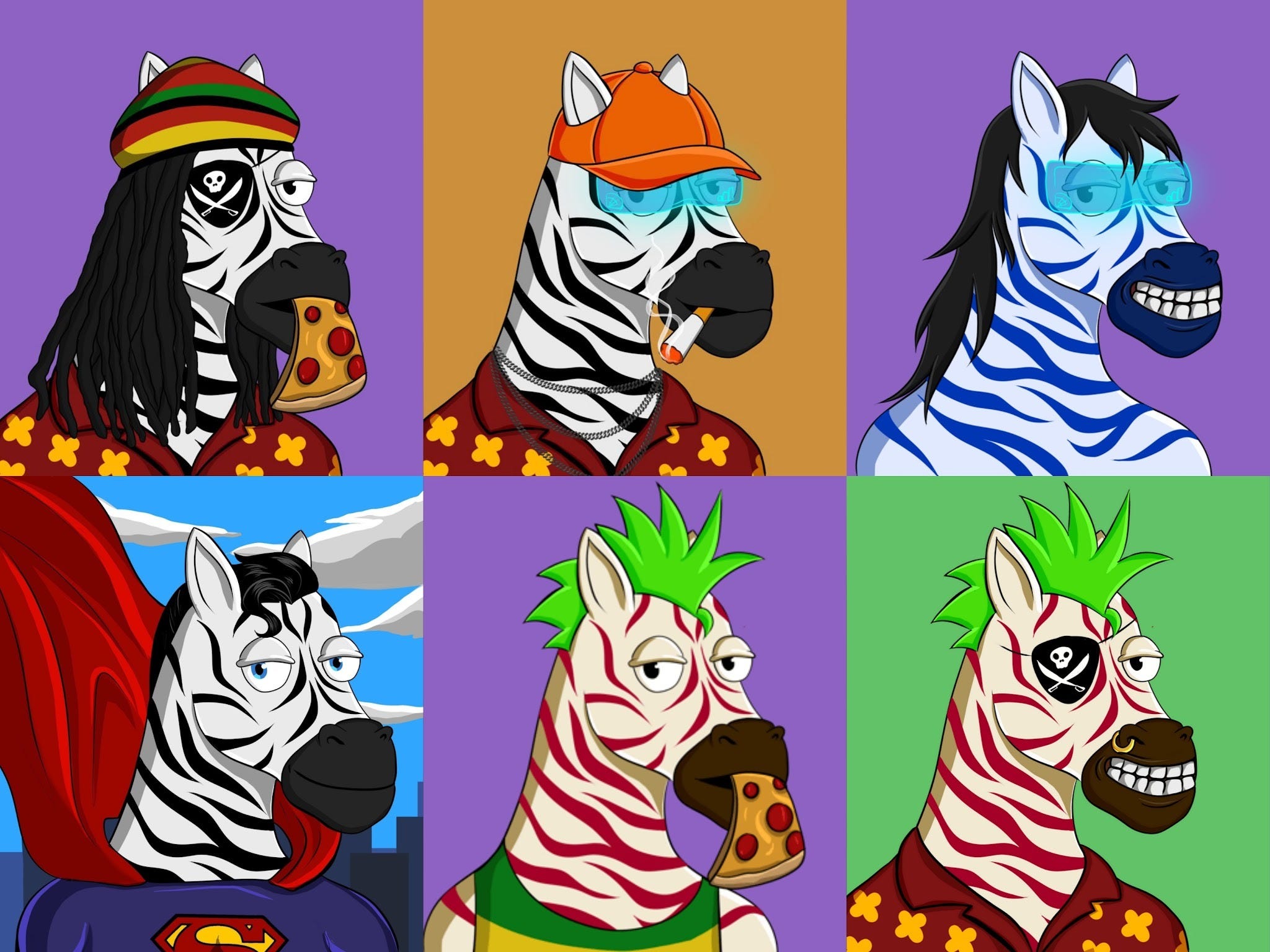
This was another classic example of an Avalanche NFT project going viral purely off vibes. No team, no mint, no official launch, just a spontaneous and highly infectious movement that emerged out of nowhere. Although the project ultimately didn’t end as successfully as Ferdy, the energy surrounding it at the time was genuinely immaculate and contagious.
How It Started
It all started with a group of people buying into a rugged NFT project and jokingly calling each other “bruh”. Somehow, the joke escalated and more people bought from the secondary market to get in on the joke.
A large part of the excitement came from the obvious similarity to Ferdy. The setup was familiar: abandoned project, community movement, meme culture, growing attention. The play seemed almost too obvious. At the same time though, there was a lingering doubt hanging over everything: “There’s no way this happens again… right?”
Unlike Ferdy, nobody seemed set up to take over the project, nevertheless the momentum grew and the floor price went up. The craze took over the ecosystem for days, memes flooded the timeline, people changed profile pictures, and the culture surrounding the project began taking on a life of its own.
Next Ferdy?
For a brief period, it felt like Zebruhs was going to be the next Ferdy, but there was one major problem: the ownership of the original project couldn’t actually be transferred to anyone, making a proper takeover impossible. This led to discussions about migrating the community to a brand-new contract and relaunching the collection entirely.
Eventually, a relaunch did happen, but it didn’t yield any meaningful results long term, the migration introduced complications, the spontaneity that made the movement special began disappearing, and attention naturally shifted toward newer trends within the ecosystem.
In the end, Zebruhs didn’t evolve into the next Ferdy, but its run was extremely entertaining for the whole ecosystem.
Conclusion
The Avalanche NFTs scene was a lot of different things but above all, it was extremely entertaining and worthwhile. While a lot of these projects are no longer active today, they delivered some of the best art, memes, stories, cultures, products and many more things which contributed to make Avalanche a fun ecosystem with a lot of rich lore and culture.
Looking to join the global community live? Registration is now open for Avalanche Summit NYC. Secure your pass today for 2 days of exclusive keynotes and networking.
